Saturday Morning Tea

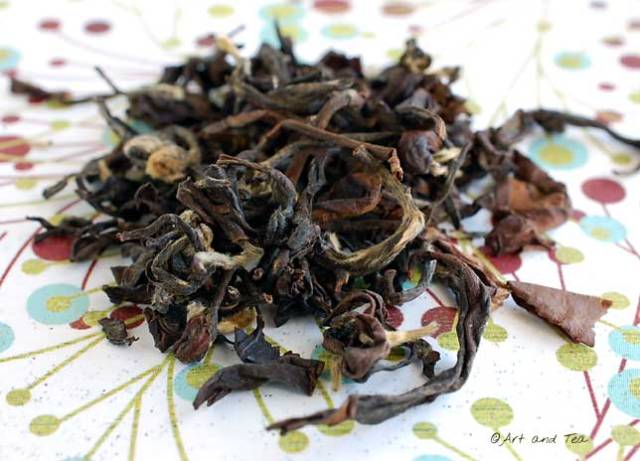
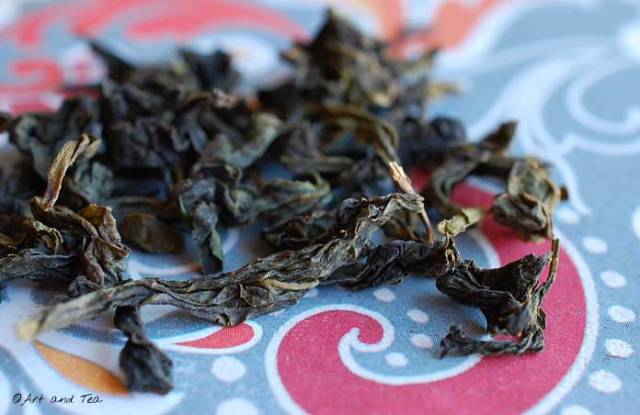
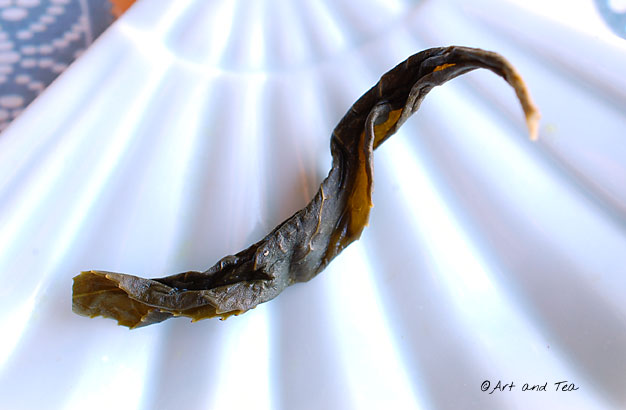
GABA Oolong Dry Leaf 05-24-14

Good morning, my dear tea friends. It’s been awhile since we’ve shared a cup of tea together. I have been helping a cherished friend make his last journey out of this world. It has been a very hard time. This past week the sky has been weeping cleansing rain from gray clouds with peeks of blue here and there. I have found that grief can be very much like that – torrential rain one minute and then peeks of blue sky the next. I am hopeful that the combination of cleansing raindrops and peeks of sun can bring a rainbow for healing. It takes time though. Tea has been such a solace and comfort. My morning cup today is called GABA Oolong.

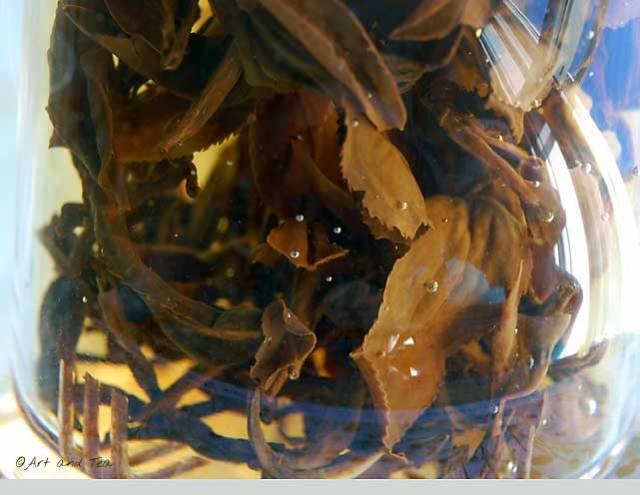
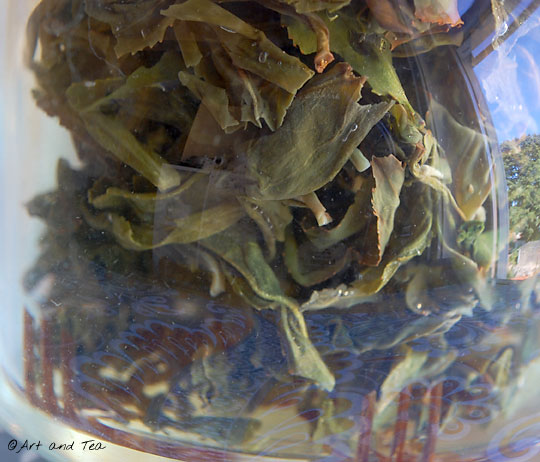
GABA Oolong Steep 05-24-14

GABA, or Gamma-Aminobutyric Acid, is a compound that naturally occurs in the human body. It is the main inhibitory neurotransmitter and prevents over-excitement in our nervous system. Neurotransmitters are what neurons send to each other to either excite of inhibit a signal. You must be thinking – what does this have to do with tea? Well, in the 1980s, Japanese scientists were experimenting with different ways to preserve food and discovered that when tea leaves were exposed to nitrogen, it increased the levels of GABA in the tea. GABA tea then became a staple in many Japanese diets because they believe it has a wide range of health benefit because of its calming properties.

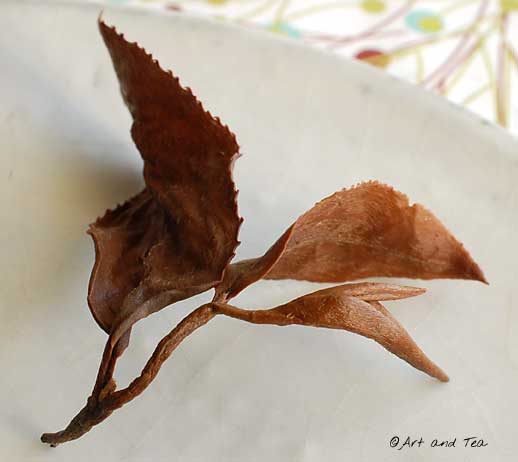
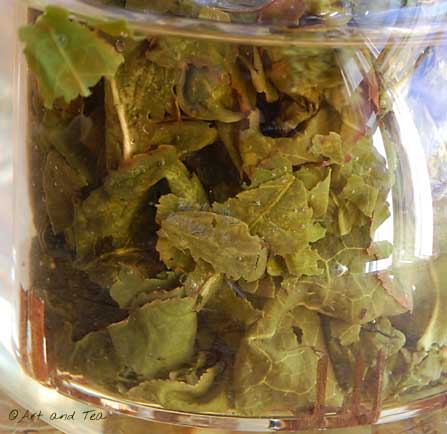
GABA Oolong Wet Leaf 05-24-14

To create the tea, tea plants are shaded for about 10 days prior to harvest, which increases the levels of glutamic acid, a precursor to GABA, in the leaf. After harvest, the tea leaves are placed in stainless steel drums and the oxygen is then replaced with nitrogen for about 8 hours. What does GABA do exactly? I have read that it increases the alpha brain waves, which can improve mental focus and promote a greater sense of well being. That said, my question then is how does the GABA get past the blood brain barrier? A good question for the scientists out there.
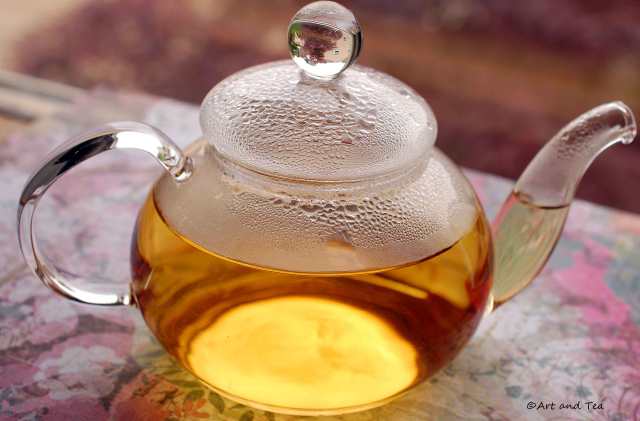
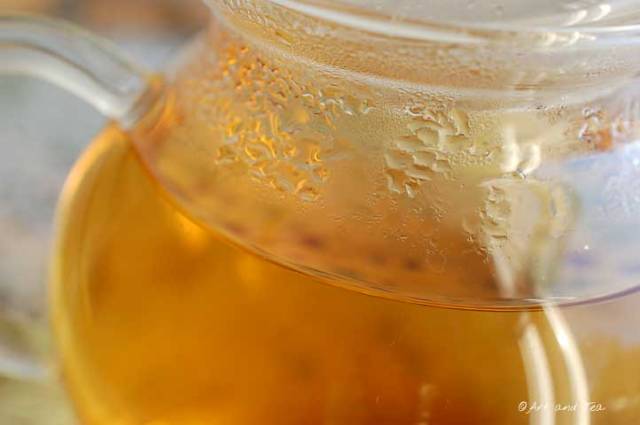
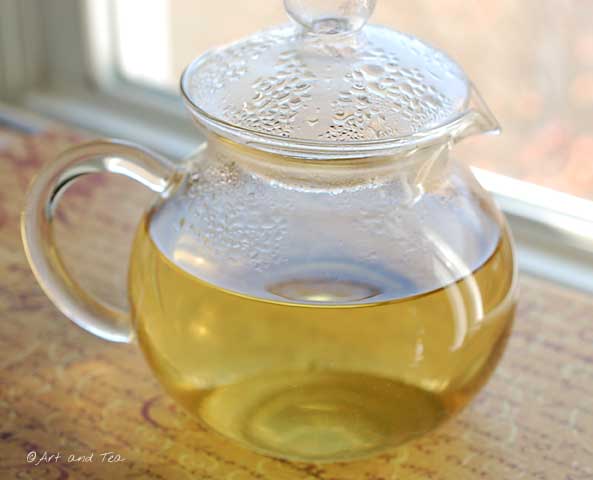
GABA Oolong Teapot 05-24-14

I steeped the leaves for 4 minutes in 180 degree (F) water. The gentle aroma is quite sweet with fruity nuances.
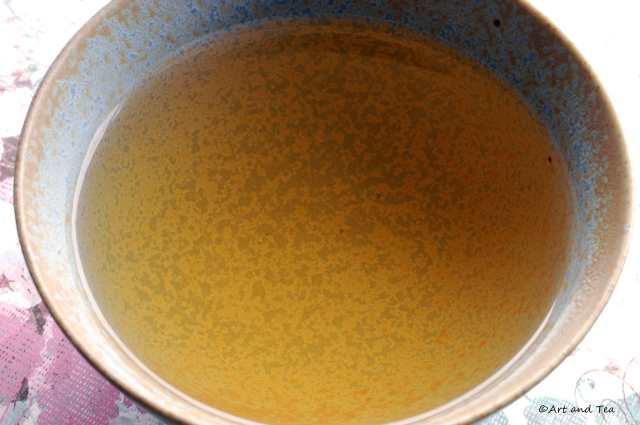
GABA Oolong Tea Bowl 05-24-14

The light golden tea liquor is also quite sweet and buttery smooth with notes of cantaloupe and tropical fruit. This lovely fruity tea would make an excellent iced tea!

Thanks for understanding about my long absence and I’ll see you in two weeks when I’ll be reviewing a new Pre-Chingming tea. Until then, dear tea friends, enjoy your tea!
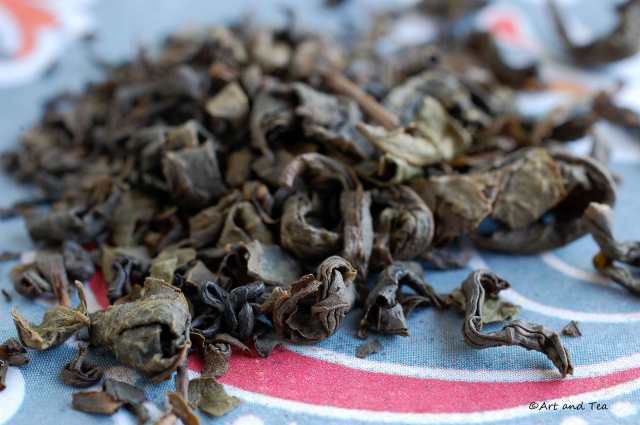
Saturday Morning Tea

Japanese Oolong Dry Leaf 02-01-14

Good morning, dear tea friends! The sun is throwing watery light through my windows as I brew up my morning tea today. I’ve chosen an unusual selection, one I’ve never tried before – an organic Japanese Oolong tea. I haven’t been able to find out much about this tea beyond the fact that it’s rare and only produced in limited quantity by a few Japanese organic tea growers. I love trying a new tea so let’s get started!

Japanese Oolong Steep 02-01-14

The leaf is quite large and looks like it’s been pan fried instead of steamed like Japanese green teas, to halt oxidation. Pan frying is common with Oolong teas. I steeped the leaves for 3 1/2 minutes in 190F water. Because the leaves aren’t fully oxidized like a black tea, it’s always a good idea to steep Oolong teas with water below the boiling point. When the water is too hot, the leaves stew and don’t steep properly, giving you a resulting brew that has a bitter note and doesn’t represent the true flavor of the tea at all.

Japanese Oolong Wet Leaf 02-01-14

Wow, look at this large intact leaf. The leaves unfolded their accordion-like pleating as they steeped.

A warm, toasty aroma wafted up from my glass teapot as  I lifted up the infuser. I could also detect a nutty fragrance, like chestnuts.

Japanese Oolong Teapot 02-01-14

The light amber tea liquor is quite smooth with a pronounced chestnut flavor note and toasty nuances. As I sipped my tea, light fruity nuances revealed themselves in the cup.

This is a great choice for someone who would like to expand out from their Japanese green tea drinking to explore another type of tea from that country. I heartily recommend trying something new!

Japanese Oolong Teabowl 02-01-14

Well, so far things are working out well with my laptop and the Adobe Elements software. I’m still working on the trial and, after using Photoshop for years, this feels very familiar to me. Familiar is good when I’m trying to fit everything in to my weekend!

Have any of you recently tried a tea for the first time? I’d love to hear your story. Until next time, enjoy your tea!

“We keep moving forward, opening new doors, and doing new things, because we’re curious and curiosity keeps leading us down new paths.”

~Walt Disney

Saturday Morning Tea

Eastern Beauty Oolong Dry Leaf 11-30-13

Good morning, dear tea friends! Last week I enjoyed a lightly oxidized Chinese Oolong, called Huang Jin Gui, for my morning tea. This week I’ve chosen another Chinese Oolong, however, this tea’s leaves have been oxidized for a longer period of time. Its name is Eastern Beauty. I love to compare and contrast teas. Let’s get started!

Eastern Beauty Oolong Steep 11-30-13

First, the leaves look very different from one another. Whereas the Huang Jin Gui is greener (less oxidized) and rolled into “bundles”, the Eastern Beauty‘s leaf is darker (more oxidized) and looks more like leaf to me.

What does it mean for a tea leaf to be oxidized anyway? Well, after the leaves are plucked and allowed to wither to remove moisture, they are bruised by rolling, tossing or shaking. This starts the oxidation process, which enzymatically breaks down the leaf’s chlorophyll, causing the leaf to darken. One of my colleagues likens it to a cut apple turning brown. When exposed to oxygen, the cut apple turns brown. Tea leaf does, too.

Last week’s Huang Jin Gui Oolong tea is oxidized under 20%, which is a short time. I honestly don’t know how long this Eastern Beauty Oolong has been oxidized but I would guess longer, about 40-50% or more. I have read that Formosa Eastern Beauty Oolong is oxidized for 70% but this tea doesn’t taste that dark. It’s definitely darker than the lightly oxidized Oolong though.

Eastern Beauty Oolong Wet Leaf 1 11-30-13

I took 2 shots to show you how enormous and intact this leaf is. Not only does it have the “bud” (the little baby leaves), there are 2 larger leaves, all attached to the same stem. Wow!

Eastern Beauty Oolong Wet Leaf 2 11-30-13

Isn’t that an amazing leaf?!!

I spooned 2 teaspoons of leaf into my small glass teapot and steeped for 4 minutes in 190F water. The fragrant aroma smelled of rich, dark honey.

Eastern Beauty Oolong Teapot 11-30-13

The tea liquor is a glowing orange-y gold. The flavor has a pronounced honey note with hints of nuts, like walnuts, and a whisper of fruit. It’s rich and smooth and has a mouth feel like nectar. I didn’t find any floral notes at all in this tea as was so pronounced in the lighter Oolong last week. So, flavor – honey and nuts vs floral. These teas, while both China Oolongs, are very different in both appearance and in flavor.

Eastern Beauty Oolong Tea Bowl 11-30-13

That was a fun comparison! Which tea do I like better, you might be asking? Actually, I like them both equally as well because of their differences. 🙂

Next Saturday I’m going down the Cape to visit my friend in Hyannis and we’re doing the “Hyannis Stroll” for the holidays. See you in two weeks!

Saturday Morning Tea

Huang Jin Gui Oolong Dry Leaf 11-23-13

Good morning, dear tea friends! Life has taken a busy turn lately, and it’s been challenging to find the time for my tea posts. I apologize for my absence last week! Ok, on to tea….

This morning’s cuppa is a Chinese Oolong from Anxi County in Fujian province. It’s called Huang Jin Gui Oolong. Huang Jin Gui translates to “Golden Osmanthus”, which refers to this tea’s intense floral aroma and flavor, as well as its rich gold color in the cup.

Huang Jin Gui Oolong Steeping 11-23-13

The leaves have been oxidized lightly (under 20%), like a Jade Oolong, and loosely rolled into roundish, crumply shapes.

I steeped for 4 and a half minutes, and the leaves unfurled and swelled open in the 190F water.

Huang Jin Gui Oolong Wet Leaf 11-23-13

Here is one of the accordion shaped leaves after steeping. Most of the leaves were huge and still intact.

Huang Jin Gui Oolong Teapot 11-23-

The golden yellow tea liquor is quite fragrant, filling my kitchen with the scent of flowers. Mmmm….

Huang Jin Gui Oolong Tea Bowl 11-23-13

The smooth flavor is rich and buttery feeling on my tongue, with pronounced floral notes that linger well into the finish.

The last of the dried leaves are rattling like bones off the trees, and the wind blows colder as winter approaches near. This tea is perfect for lifting my spirits with the sweet scents of spring flowers.

Have a lovely week and a happy Thanksgiving!

“I am grateful for what I am and have. My thanksgiving is perpetual…O how I laugh when I think of my vague indefinite riches. No run on my bank can drain it, for my wealth is not possession but enjoyment.”

~Henry David Thoreau

Saturday Morning Tea

Pouchong Dry Leaf 09-14-13

Good morning, dear tea friends! I had the most interesting experience yesterday, which I’d like to share with you. As I was driving home from work, I noticed the buildup of huge puffy clouds in the late afternoon sky, however, the sun was still shining brightly on my path. All of a sudden, the heavens opened up and the rain was torrential, pouring down like glittering drops of diamonds through the sun’s rays. It was a magical moment, one that was soon followed by the appearance of a rainbow up in the dark sky as the rain passed. A moment that seemed suspended in time, just like my special moments with a cup of tea in hand.

In my teabowl this morning is a Pouchong tea from Taiwan, called Formosa Pouchong Select.

Pouchong Tea Steeping 09-14-13

A Pouchong tea is a very lightly oxidized green tea. Because of the oxidation, some consider it an Oolong tea. I’d like to think of it as being in its very own category, a unique and distinctive tea. The word “pouchong” means “the wrapped kind”, referring to the ancient practice of wrapping the leaves as they were drying.

Pouchong Tea Wet Leaf 09-14-13

I steeped the leaves for 3 minutes in 180F water. As you can see, the leaf is enormous, likening it more to an Oolong tea than a green tea. They barely unfurled while steeping. These bold leaves are perfect for resteeping, if you wish.

A lovely floral fragrance drifted up from my glass teapot as the leaf was steeping.

Pouchong Tea in Teapot 09-14-13

The pale jade tea liquor is gently fragranced with a floral note, which carries over into its taste and notes of fruit add to its complexity. It fills my mouth with its rich buttery flavor, a wonderful experience.

For tea lovers that enjoy scented floral teas and lightly oxidized Oolongs, I highly recommend sampling this tea. And for those looking for a green tea without heavy vegetal notes, this is perfect.

PouchongTeabowl091413

Today I’m going over to the local garden center to check out their selection of spring flowering bulbs. It’s that time of year again to start planning next year’s garden. Tonight a group of us are headed over to Palette’s in Natick to celebrate a dear friend’s birthday. Palettes is a “painting bar” where you can spend an evening painting a masterpiece while sipping your favorite beverage. I always love their fruit and herbal infused water. Last time it was strawberry basil. Mmmm!

Thanks for joining me and sharing a cup of tea today. Stay tuned for next week when I will review either a new second flush Darjeeling or an Assam, newly arrived from India. Cheers!

“And above all, watch with glittering eyes the whole world around you because the greatest secrets are always hidden in the most unlikely places. Those who don’t believe in magic will never find it.”

~Roald Dahl