Saturday Morning Tea

Good morning, dear tea friends! I hope that you all had a fabulous week. This morning’s tea comes from Fujian province in China and was harvested in March of this year. Please allow me to introduce you to Pre-Chingming Snow Dragon, a green tea.

For more information about Pre-Chingming teas, I’ve written about them here and here.

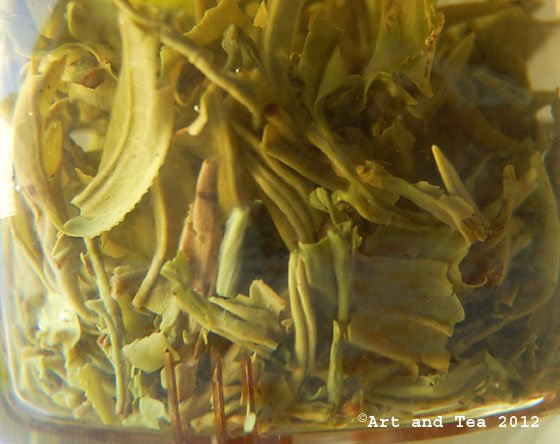
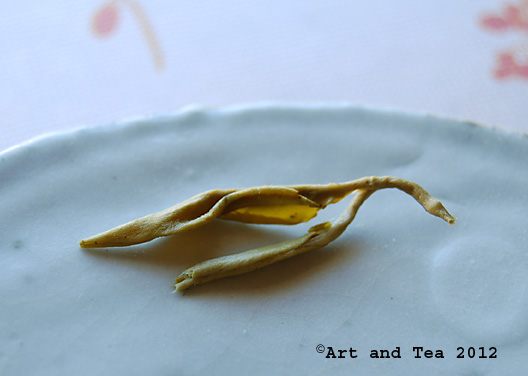
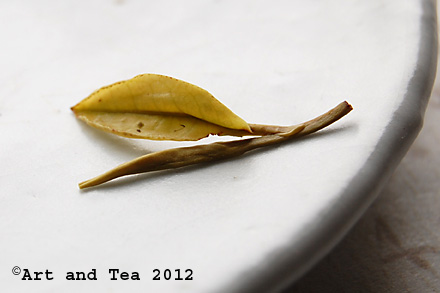
The leaves consist of what are called “bud sets”, the fine plucking of the new growth on the tea plant. So, in other words, delicate baby leaves.

You can see what I mean in this photo of the wet leaf.

I steeped the leaves for 3 minutes in 180F water. The aroma was quite vegetal as I poured my first cup. Vegetal like your first bite of new asparagus in the spring.

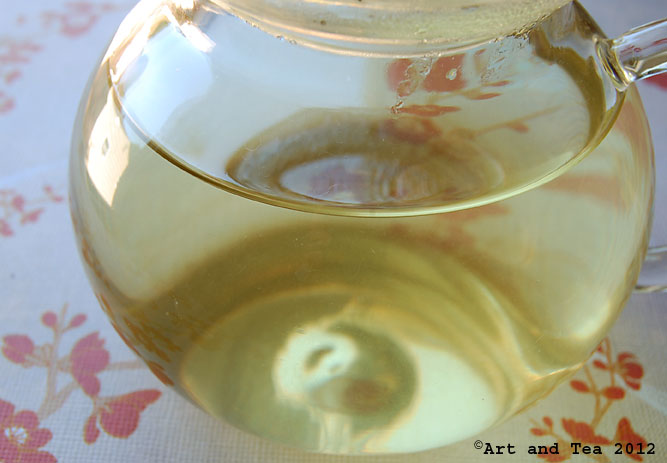
The tea liquor is a delicate greenish straw color, as light as a white tea. The flavor isn’t delicate though. It’s rich with floral notes and a pronounced sweetness which lingers in my mouth.

I’ve read that the producer of this tea describes the flavor as a “wild green” taste. While I find this tea vegetal but not overly so, I’m not sure what that description means. Does anyone know?

Today is my granddaughter’s dance recital. Very exciting! Have a wonderful week!

“I fear the venture into the unknown. But that is part of the act of creating and the art of performing.” ~Martha Graham, Dancer

Saturday Morning Tea

Hello again, dear tea friends. I apologize for not being here last week. Someone very dear to me had surgery so I was out of town. I’m happy to say that all is well and my dear one is on the road to recovery.

Let’s have a cup of tea together, shall we?

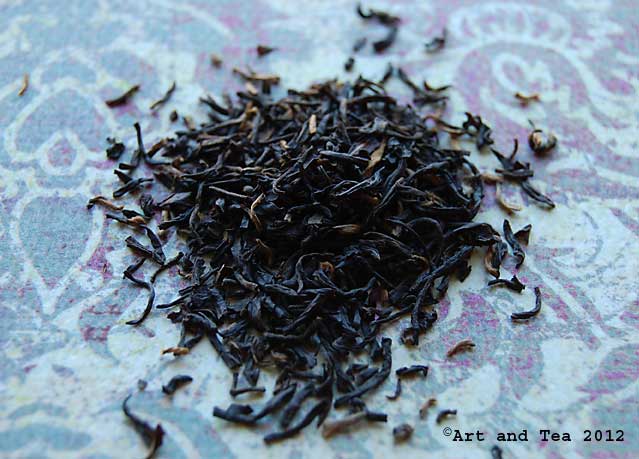
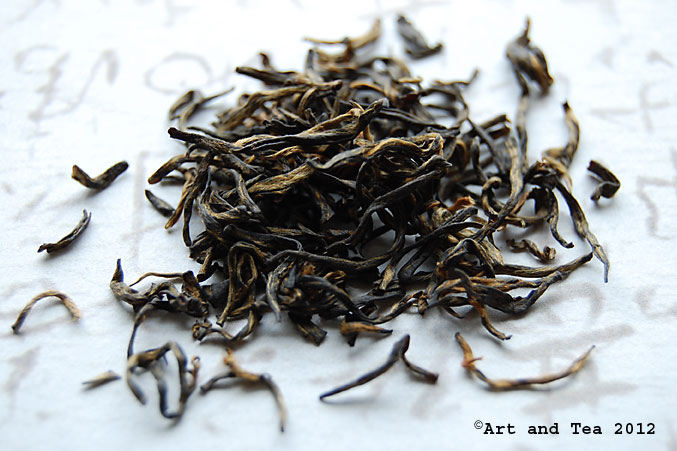
This morning’s tea is called Special Purchase Hao-Ya “A” Keemun, a black tea from China. The term “Hao-Ya A” refers to the grade of tea, this tea being a top grade. I’ve written about Hao-Ya “B” Keemun tea before here. To me, all Keemuns have such a dark glossy leaf, this one also having a sprinkling of golden tip.

Keemun tea is named after a county, Qimen, in Anhui province. There are several stories about its origins but the most common is one of a governmental official in the late 1800s who learned black tea production in Fujian province and then decided to return to his native county, Qimen, to produce black tea there. He met with success and his new black tea was imported to England where it was enjoyed as a breakfast tea.

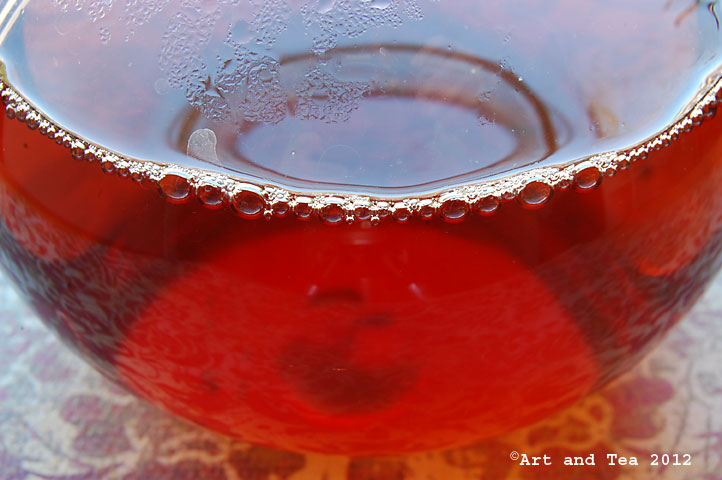
If you enjoy the darkest of chocolates, you will love this tea. The aroma of rich chocolate of the deepest kind wafted up as I lifted the infuser out of my glass teapot. There was an underlying hint of red wine which validated its description as the “burgundy” of China black teas.

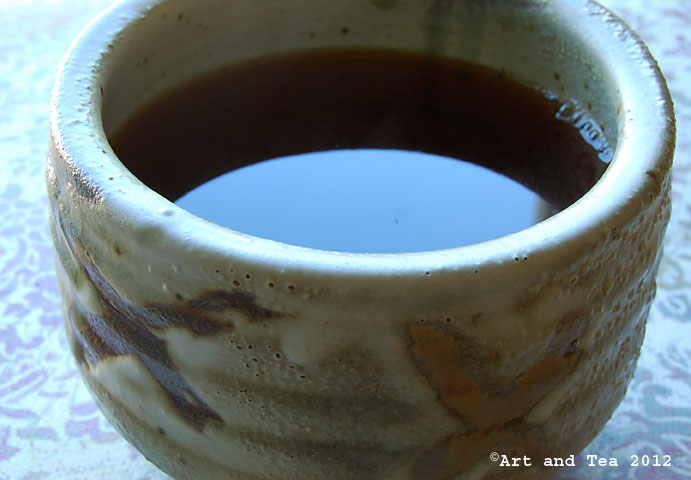
I steeped the tea for 5 minutes in boiling point (212F) water. The dark chocolate aroma carries on into the flavor with notes of 90% chocolate bar, hints of red wine and a whisper of perfumed flowers. Silky smooth, thick and rich, this tea would stand up well to any additions, like milk and sweetener. I suggest trying it plain first to experience its wonderful flavor on your tongue.

Yes, this is an expensive tea but what a special treat this would be for a Sunday morning or to share when a fellow tea lover comes for a visit.

It’s a brilliant, sunshine-y day here in MA. Time to go throw on my overalls and head out to the garden. My sweet daughter gave me a beautiful hydrangea for Mother’s Day with blooms of the palest lavender-pink. I’m off to find a special place for it in my garden.

As always, thanks for stopping by and sharing a cuppa with me. Have a wonderful week and enjoy your tea!

“I don’t want life to imitate art. I want life to be art.” 

~Carrie Fisher, Actress

Saturday Morning Tea

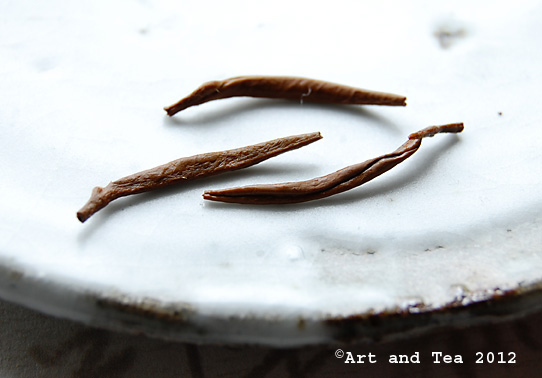
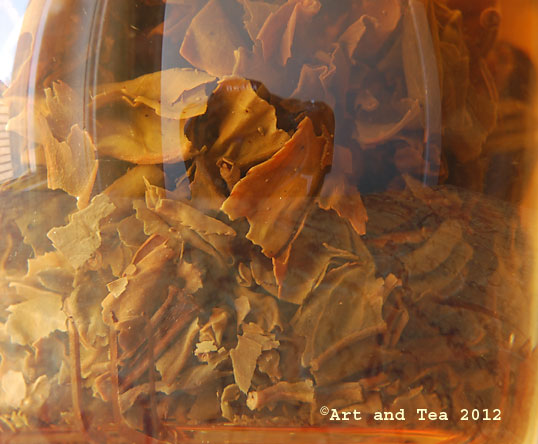
Hello again, my dear tea friends! This morning’s tea is a very special treat, in fact, I was only able to obtain 2 1/2 grams of it because so little was produced. I’ve mentioned the ancient tea forests in China’s Yunnan province before. This tea was produced from ancient tea trees located in the Wuyi Mountain Eco-Reserve. The Wuyi mountain range runs along the northern border of Fujian province in China. The mountain range acts as a barrier to the cold air coming in from the northwest. Warm moist air coming in from the sea creates a climate with high humidity and rainfall so the area is enveloped in fog most of the time. It’s an ideal climate for growing tea.

So, without any further ado, I introduce you to Pre-Chingming Ancient Forest Bohea tea.

This tea was harvested before the festival of Qingming (Chingming), usually celebrated on the 15th day from the Spring Equinox. Any teas harvested before that date are referred to as Pre-Chingming teas. In other words, harvested in very early spring. I reviewed a Pre-Chingming green tea about a month ago here. This Bohea tea is a black tea.

I steeped the leaves for 5 minutes in boiling point (212F) water.

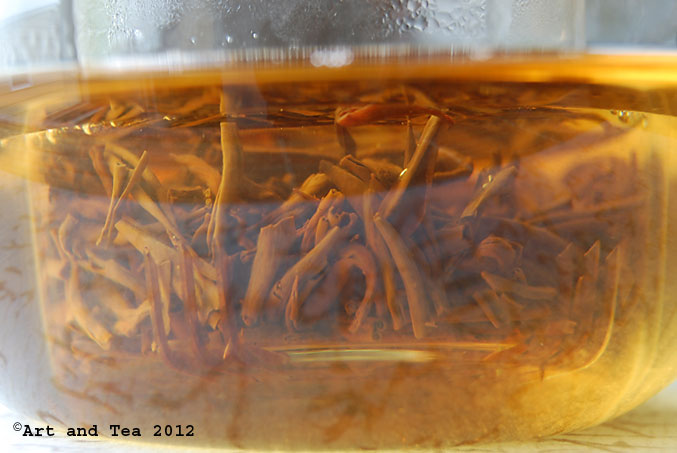
The whole leaves after steeping have an interesting aroma of wet stones. I’ve read that this is because of the high mineral content of the soil in which the tea trees grow in. It is referred to as “Yan”, or rock, flavor. I know that doesn’t sound too appealing but it is a very fresh, slightly green, almost toasty quality which I find quite appealing.

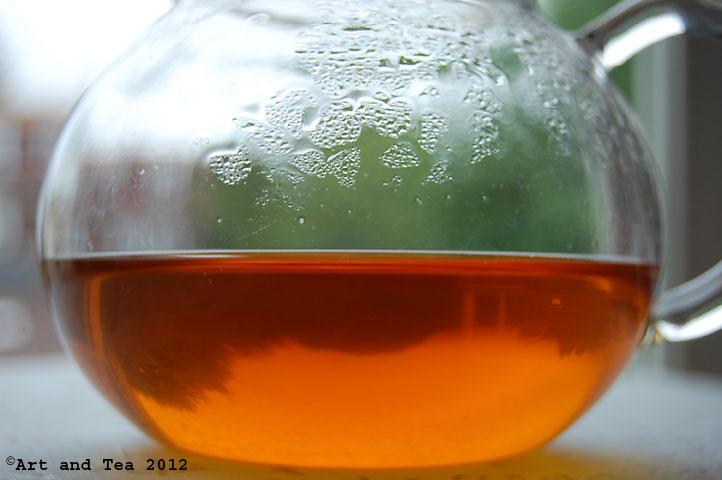
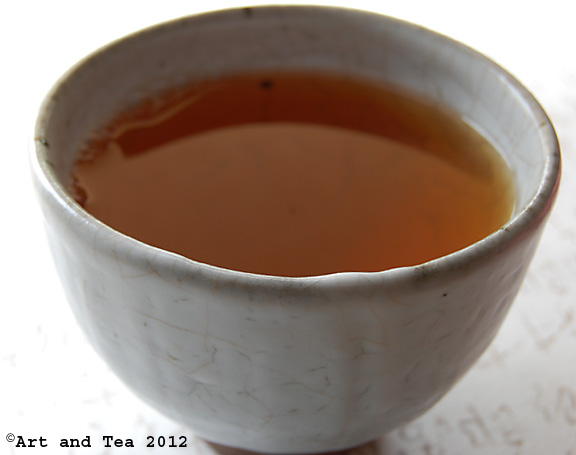
The deep amber tea liquor is velvety smooth and quite complex with notes of rock and earth, a rich sweetness, a whisper of vegetal and a hint of cinnamon which lingers into the finish.

This is a tea unlike any tea I’ve had before.

I know it’s quite an expensive selection but I encourage anyone who is curious to try a sample of this very special black tea. I liken it to having the opportunity to try a very rare wine vintage but, in this case, you don’t have to buy the whole bottle. 😉

Have a wonderful week and enjoy your tea!

“Ritual is the way we carry the presence of the sacred. Ritual is the spark that must not go out.”  ~Christina Baldwin, Writer

Saturday Morning Tea

Good morning, dear tea friends! About a month ago, I reviewed a Pu-erh tea which had been compressed into a small square. You can see the photos of it here. I also talked about the two different kinds of Pu-erh tea, raw (Sheng) and cooked (Shou). The mini-square Pu-erh is the cooked kind and the tea in my cup this morning, called Ancient Forest Pu-erh Cake, is the raw kind. During its processing, this tea was compressed into “cakes” and each cake was wrapped to look like this:

Pretty cool, huh? Anyway, I find this particular raw type of Pu-erh tea fascinating in that it started out as a green tea, processed back in 1999. 13 years ago! One would think that a tea hanging out for that long would get stale and flavorless. Not so. The tea leaves aren’t heated up in the normal green tea processing way; they are allowed to dry in the sun, like white tea.

So, please correct me if I’m wrong, my understanding of raw Pu-erh is that it is stored in a special way allowing it to darken (oxidize) through its exposure to the natural elements. That’s why Pu-erh afficionados talk about storage and the aging process. The longer it’s “aged”, the darker it gets?

Because it is raw yet aged for 13 years, I steeped the leaves for 5 minutes in water under the boiling point, probably around 200 degrees F. So, hotter than what I normally use for green tea steeping.

This would be an excellent tea for experimenting with different steep times and water temperature. We did that at work and didn’t find a lot of difference between a 3 and 5 minute steep except for a bit smoother tea at 3 minutes.
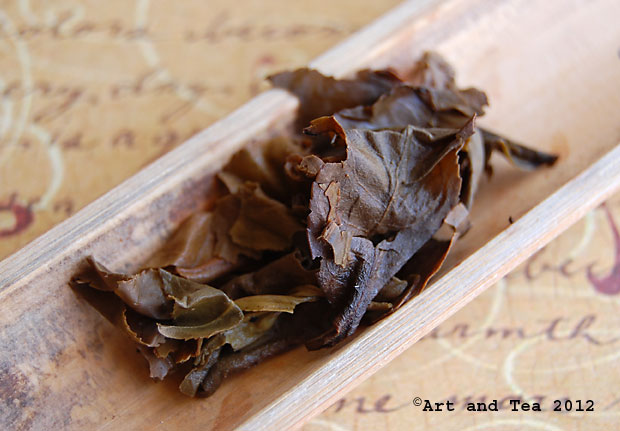
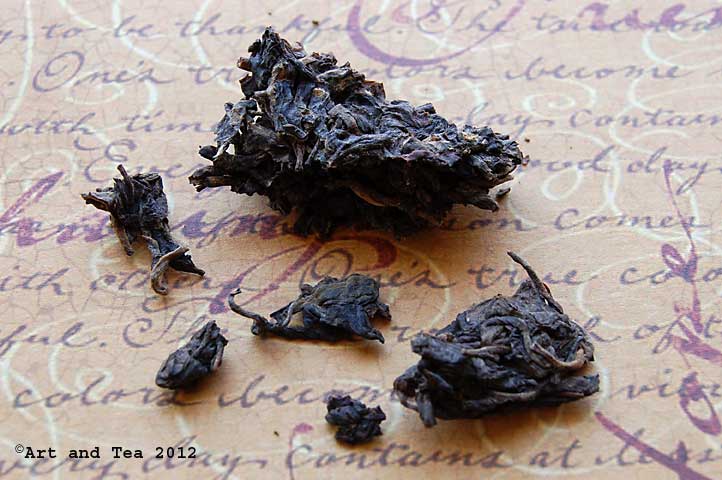
Traditionally, Pu-erh teas are created from leaves harvested in the ancient tea forests of Yunnan province in China. You can see from the photo above that when the leaves unfurl from their compressed state, they’re pretty large.

The aroma is earthy and sweet with a faint hint of artichokes.
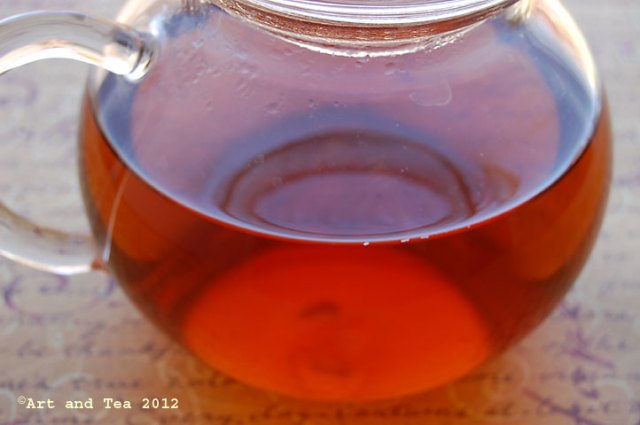
Compared to other Pu-erh teas I’ve tried, the flavor of the amber-colored liquor is quite mild and sweet, very smooth with a lingering earthy note in the finish. As I sip, that distinctive earthy flavor conjures up images of walking through a deep, dark ancient forest.
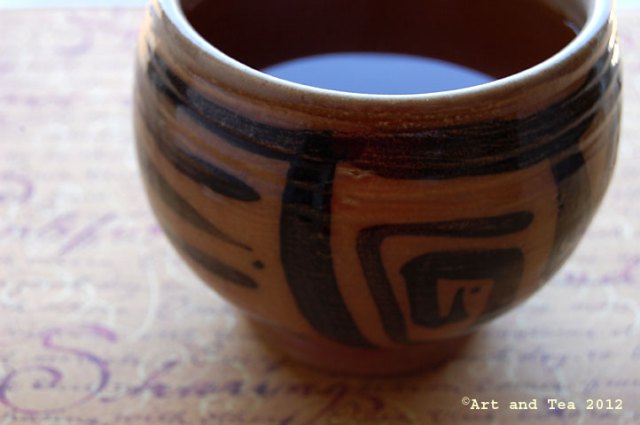
Much like wine lovers collect wines, some Pu-erh lovers collect these raw type, compressed Pu-erh teas and age them, waiting for just the right moment to break off a piece and steep a cup. If you have any experience with this, I’d love to hear your story.

Next weekend I’ll be out in Michigan visiting with my family so there won’t be any Saturday Morning Tea post. I’ll look forward to returning in 2 weeks to share another cuppa with you.

To all who celebrate, have a wonderful Easter and Passover!

Saturday Morning Tea

Good morning, dear tea friends! It’s that time of year again when not only are the first flush Darjeelings being harvested in India but the Pre-Chingming teas are being harvested in China. In my cup this morning is a Pre-Chingming Lung Ching which I am happy to introduce to you.

Chingming, or Qingming, is a festival in China, usually celebrated on the 15th day from the Spring Equinox, or April 5th. It is a day for going outside to enjoy the return of greenery and tend to the graves of departed loved ones. So, Pre-Chingming refers to the tea being plucked before this festival time. This particular tea was harvested in China within the last few weeks.

Lung Ching tea, a very popular and well known tea from China, has a distinctive flat shape to the leaf after processing. This flat shape is intentionally caused by the motion of the pan when the leaf is heated to stop oxidation. Its name means “Dragon’s Well”, referring to the place where it has been traditionally grown. Legend has it that a Taoist priest in the 3rd century advised the local villagers to pray to the dragon of a local well to bring rain and end their drought. It worked and the well was named after that dragon. The Dragon’s Well monastery still stands in that spot to this day.

The color of the leaf while steeping is such an amazing spring green, don’t you think? I steeped the leaves for 3 minutes in 180 degree F water.

Seeing such an intact leaf is a gift. I imagine a field of women deftly plucking the delicate leaf and tossing it into the baskets strapped to their backs. They methodically make their way through the rows in the crisp spring air.

The tea liquor is so pale, like straw, with a whisper of green tinge. It’s as delicate as a white tea with a complexity of flavor showing its high quality and care in processing. The aroma is slightly nutty with a note of fresh early corn.

So very pale and delicate yet so very flavorful with notes of sweet nectar, melon, a hint of grapefruit and that delicious note of sweet corn. A very special tea indeed.

I’m so excited that my son is on leave for the next week and has come home to be embraced by his family once again.

Enjoy your week and your tea!