Saturday Morning Tea

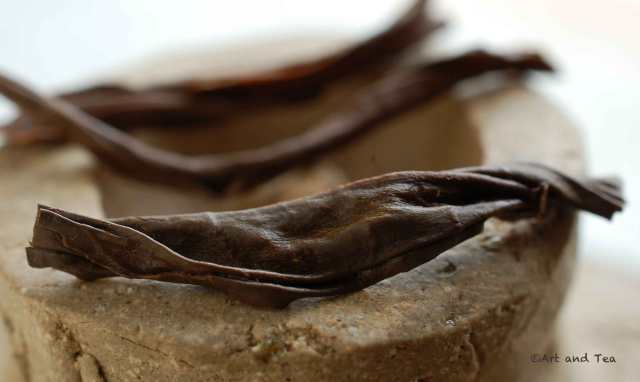
Castleton2FDarjDry102415

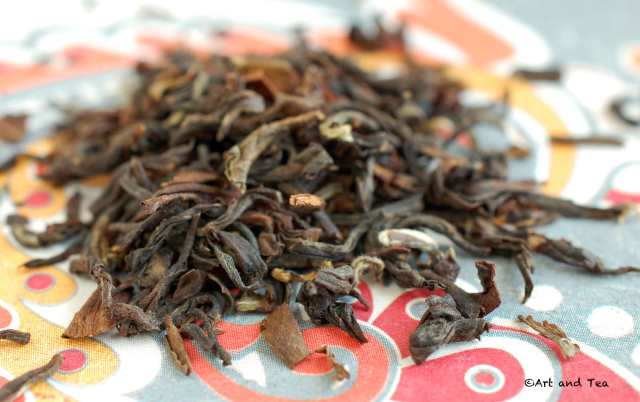
Good morning, dear tea friends! It’s a chilly, overcast autumn day here in my corner of New England. On a day like this, I’m happy to warm my hands as well as my spirit with a hot cup of tea. Or two. Or three. Today’s tea is a second flush selection from the Castleton Estate in Darjeeling, northeastern India. This renowned estate produces high quality, classic Darjeelings every year.

Here’s some interesting information about the estate from an article by Shyamali Ghosh on World Tea News:

Castleton Tea Estate, perched in Darjeeling’s misty Kurseong South Valley, actually has a castle of sorts, as well as a history colored by storybook details. No one is sure of the castle’s origin, though it’s probably just a building left behind by a long-ago money lender.

Originally planted in 1885 by an enterprising Englishman, the estate has passed through the hands of Calcutta royalty, and still uses names rather than numbers to designate specific areas in the garden. The original name of this garden was Kumseri. The various sections of this gardens are known as Bhalu Khop (bear cave), Jim Basha (the erstwhile manager’s domain), Dhobitar (washerman’s clothes line) and Baseri (resting place).

I love reading stories about tea and its history.

Castleton2FDarjSteep102415

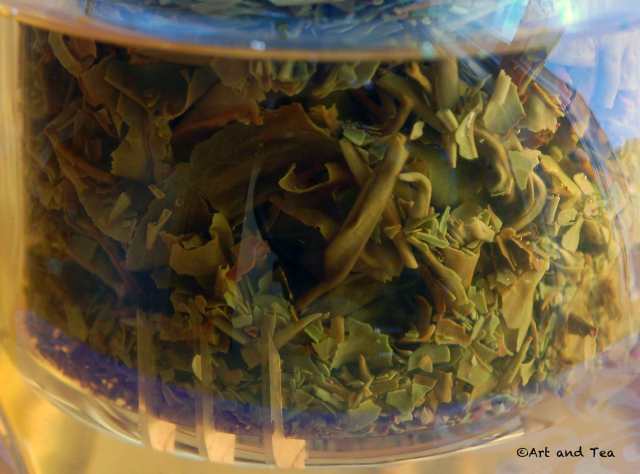
I steeped the leaves for 3 minutes in 212F (boiling point) water.

A marvelous fruity fragrance greeted me as I poured my first cup.
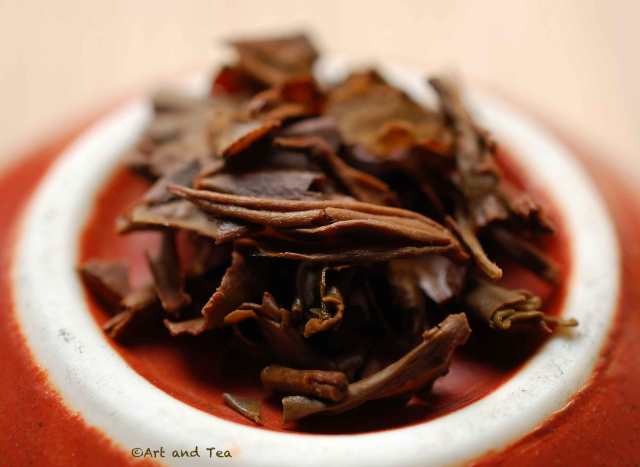
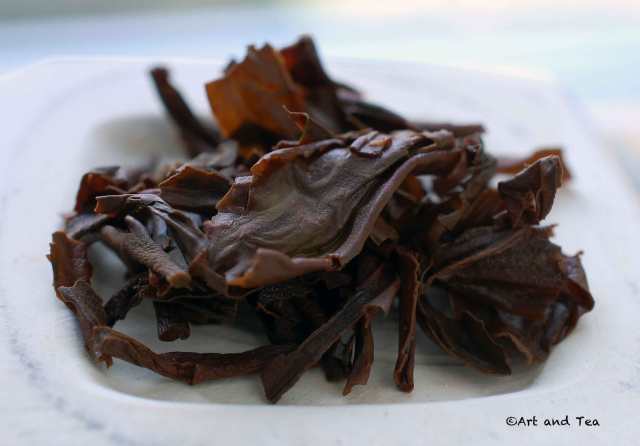
Castleton2FDarjWet102415

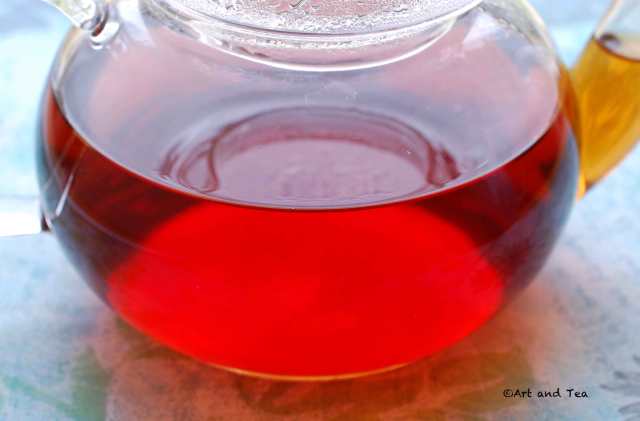
As you can see, the liquor is a beautiful amber color. The flavor is rich with that characteristic Darjeeling “bite” awakening my palate.

Castleton2FDarj102415

I detected notes of muscatel, a warm toastiness and bright highlights, reminiscent of citrus, in the flavor. This tea is definitely strong enough to add a splash of milk but I encourage you to try it plain first and see what notes you find. This would make a lovely companion to a rich dessert.

Castleton2FDarjTeapot102415

I’m going to relax today and work on a new knitting project, a rosey pink cardigan for someone special. How are you spending your day?

The next time I join you for a cup of tea, I’ll be moved in to my new home. Until then, enjoy your tea!



Saturday Morning Tea

VictorianBrewCeylonDry091915

Good morning, dear tea friends! My morning tea today is a rich Ceylon black tea with a fun name, Victorian Brew BOP1. Even though the days are still summer warm, the nights are turning cool and crisp, perfect weather to sleep with the windows thrown wide open. The day when the light and dark are equal here in the Northern Hemisphere is only 4 days away.

VictorianBrewCeylonSteep091915

This tea is a blend of Ceylon black teas so I couldn’t find any background information on it. I steeped the leaves for 4 minutes in 212F (boiling point) water.

VictorianBrewCeylonTeapot091915

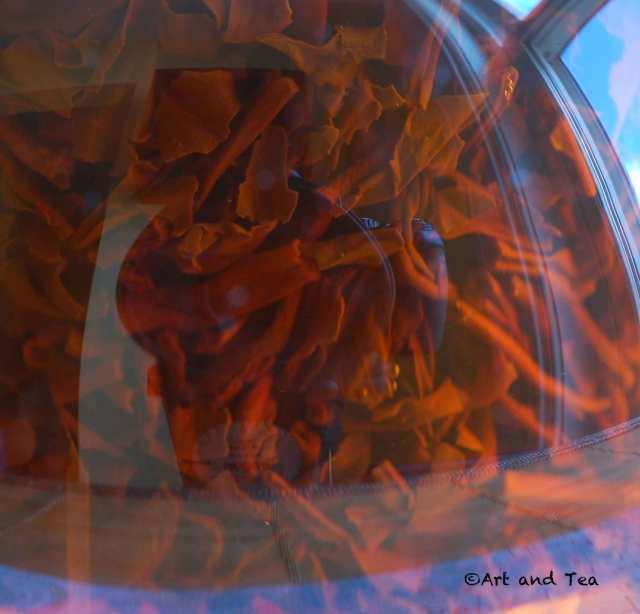
Look at that beautiful amber color!

The aroma has a dried fruit fragrance with hints of spice, enticing me to take my first sip.

VictorianBrewCeylonCup091915

The flavor is rich and smooth with a light brightness that plays at the edge of my palate. The tea liquor has a hot cocoa thickness and a spicy profile with hints of cherry. There’s a citrus-like brisk quality that lingers in the finish. Is this high-grown or low-grown tea? It exhibits characteristics of both, which leads me to suspect it’s a blend of both.

VictorianBrewCeylonWet091915

As always, thanks for joining me in a cup of tea! Enjoy this last summer weekend!

Saturday Morning Tea

SungmaEstate2ndFlDarjDry081515

Good morning, dear tea friends! On this hot and hazy summer day, I’ve brewed up a pot of second flush Darjeeling, as promised in my last post. This particular selection is from the Sungma Estate. The reason I chose it is because I think it’s a great example of a second flush tea, starting with the variegated tones of brown in the leaf color.

SungmaEstate2ndFlDarjSteep081515

Established in the 1860s, the Sungma Estate experienced a major loss in 1934 when a terrible earthquake destroyed its factory. After that, Sungma merged with a neighboring tea garden called Turzum Estate.

I steeped the leaves for 3 minutes in 212F water.

SungmaEstate2ndFlDarjWet081515

A rich, fruity fragrance wafted up from my glass teapot, filling my kitchen with its delicious aroma.

SungmaEstate2ndFlDarjTeapot081515

Look at that gorgeous color! A deep amber-colored liquor tells you that this is a second flush Darjeeling, as opposed to the light golden color of a first flush.

The flavor bursts in my mouth, like biting into a piece of ripe fruit, very rich with notes of muscatel and nutty hints. The fruitiness lingers deliciously on my tongue. A honey-like sweetness is also present in the cup, which gets even sweeter as the tea cools, making it a wonderful choice for an iced tea as well as a hot cuppa.

SungmaEstate2ndFlDarjTeaBowl081515

August is the month of abundance when so much is being harvested from nature’s bounty. A cup of second flush Darjeeling is the perfect companion to rich and flavorful foods.

Until next time, dear friends, enjoy your tea!

Saturday Morning Tea

SingbulliFFDarjDry080115

Good morning, dear tea friends! This first day of August dawned clear and bright, a beautiful summer’s day. My morning tea is a wonderful treat, a tippy, first flush Darjeeling from the Singbulli Estate. As you can see, the leaf is gorgeous, a multi-hued work of art from nature.

SingbulliFFDarjSteep080115

Located in the picturesque Mirik area of Darjeeling in northeastern India, the organically certified Singbulli Estate was established in 1924 by British planters. Its 9 rolling hills are spread out over 14 miles, at an altitude that ranges from 1,200 feet to 4,100 feet. Mirik comes from the word Mir-Yok, which translates to “place burnt by fire.”

I steeped the leaf for 3 minutes in just under boiling point (212F) water.

SingbulliFFDarjWet080115

The wet leaf aroma after steeping is bright and vegetal. The cup aroma is sweet with pronounced notes of flowers.

SingbulliFFDarjTeapot080115

The glowing golden-yellow liquor has a fresh, crisp mouth feel and a pronounced floral flavor with a whisper of tropical fruit. Mmmmmm….

This tea is the epitome of a first flush Darjeeling.

SingbulliFFDarjTeacup080115

I chose this lovely teacup this morning because the inside is glazed the exact same color as my tea.

In my next post, I’ll show you what I think exemplifies the second flush Darjeeling character. Until then, enjoy your summer and your tea!

Saturday Morning Tea

KeemunMaoFengDry071815

Good morning, dear tea friends! It’s wonderful to be back sharing another cup of tea with you!

It’s a humid, rainy morning in my little corner of the world, the kind of day where the air is thick and steamy. On days like this, I’ve always enjoyed a rich China Keemun tea in my cup. As you can see from the leaf above, I chose a Keemun Mao Feng for my morning tea.

KeemunMaoFengSteep071815

This tea was grown in Qimen County in China’s Anhui province. Established in the year 766 during the Tang Dynasty, this county got its name from nearby Mount Qi. Keemun tea is named after this well known tea-growing region, pronounced Chee-men.

KeemunMaoFengWet071815

You can see how the long, wiry Mao Feng (“Fur Peak”) leaf was twisted during its processing.

I steeped the leaf for 5 minutes in boiling point (212F) water. This tea is so smooth that you could probably steep it longer, if you wanted to.

KeemunMaoFengTeapot071815

The tea liquor is the color of glowing embers and imparts a rich, earthy aroma as I lift the lid of my glass teapot.

KeemunMaoFengTeaBowl071815

The flavor is thick and stout with notes of earth and smoke and cocoa. Hints of dark honey and red wine linger on in the finish. This is quite a yummy selection!

I hope everyone is enjoying their summer. See you in two weeks!