Saturday Morning Tea

pouchongwetleaf.jpg

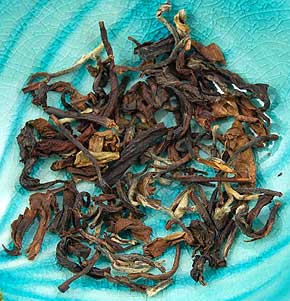
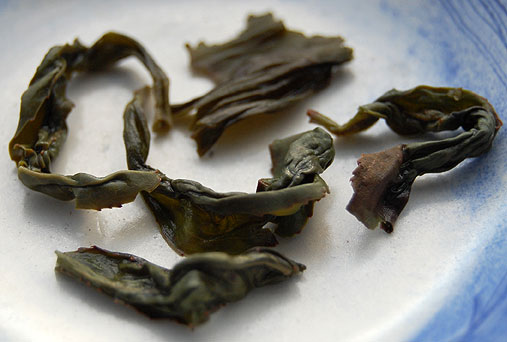
Pouchong tea. Is it a green tea or is it an Oolong tea? Technically, it is described as a slightly oxidized, or fermented, green tea. Well, so is Jade Oolong tea lightly oxidized. Hmmmm, isn’t it interesting how we as humans always like to put things in a category? Give a label? I like the idea of this tea being in its own little group, its own little tribe. The leaf is very large and twisted and pleated. I had fun arranging the wet leaf in a curling pattern, one leading to the other. The dance of the leaf tribe.
pouchongdryleaf.jpgpouchongcuppa.jpg

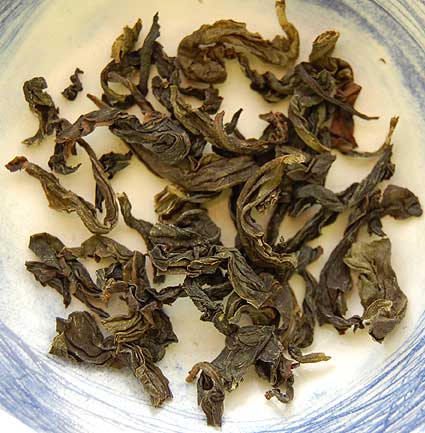
Pouchong tea is produced in the Fujian province of China and also in Pinglin Township near Taipei, Taiwan. This tea is often used in scented tea such as jasmine. It doesn’t have the vegetal quality of a green tea but is more floral like a green Oolong.

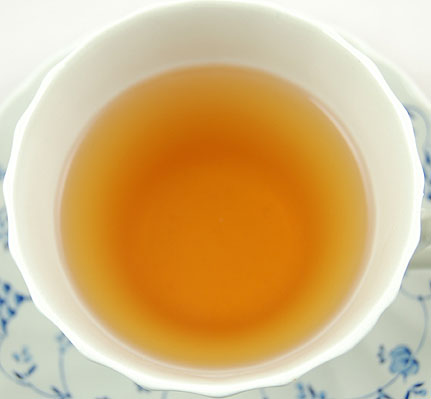
This morning as I get ready for my show, I am sipping a Formosa Pouchong tea. The liquor is light and fragrant and the aroma of flowers gently drifts from my cup. The floral quality is also apparent in the taste with a light honey note. It reminds me of Jade Oolong but not as heavy sweet. A perfect cuppa to start the day as I venture out to my show on this cold clear morning!
Saturday Morning Tea

earlgreycremevanillacup.jpg

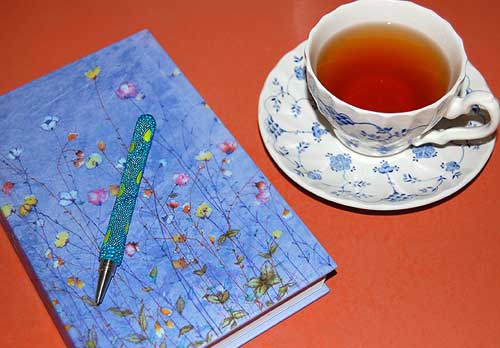
My kindred friend Laura adores Earl Grey tea so this Saturday Morning’s cuppa is in honor of her. As the pigeon tribe from the building across the street wheels across the sky, I look out over the treetops onto a cloudy cool mid-fall day and open my journal to a new page. There is still a blaze or two scattered across the countryside but most of the trees have now muted to a rusty color. Nature is starting her slumber.

earlgreycremevanilladryleaf.jpg

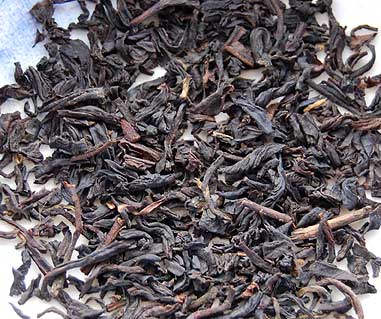
Earl Grey tea is traditionally a black tea that has been scented with the essential oil of the bergamot orange, a small fragrant citrus fruit grown in the Calabria province of Italy. The bergamot orange is not a variety of the sweet orange that most of us are familiar with eating but a hybrid between a pear lemon and a Seville orange, or bitter orange.

Legend has it that the son of a Chinese bureaucrat was rescued from drowning by a servant of the second Earl Grey, Charles Grey, Prime Minister of England from 1830-1834. The man was so grateful that he presented Earl Grey with a special tea. Earl Grey liked it so much that he gave a sample of it to his favorite tea purveyor and asked them to replicate the flavor.

I am enjoying a cup of a flavored Earl Grey called Creme Vanilla. The aroma is sweet and creamy, reminding me of the cream sodas I used to love when I was young. The flavor is an interesting blend of citrus and vanilla which I especially like. It’s strong enough for milk but sweet enough for no sweetener added.

I really like the story behind this tea – a gift of a special tea bestowed in gratitude for saving a life.

What is your experience with Earl Grey tea?

Saturday Morning Tea

makaibari2ndflwetleaf.jpg

As the wind and rain whip against my windows this morning, I am thankful and happy to be cozy and warm inside sipping a cup of a new second flush Darjeeling from the Makaibari estate. I watch the tree outside my window which has lost all of its leaves now. It reaches its skeletal branches towards the sky in what appears to be a gesture of praise and gratitude for the water soaking the earth around it.

makaibari2ndfldryleaf.jpgmakaibari2ndflliquor.jpg

This tea comes from the biodynamic Fair Trade Makaibari estate in the Darjeeling tea growing district in northeastern India. It has long leaves with the look of an Oolong tea, not a typical Darjeeling leaf which appears smaller. The dry leaf has a fair amount of tip giving it a variegated look. I place my nose inside my cup and I am transported to a fragrant orchard as I inhale the lush ripe aroma of a peach. The liquor is a beautiful honey color with the taste of ripe fruits and muscatel. I usually find a muscatel flavor note to be pungent but the taste is buttery smooth. What a treat for a gloomy November day!

Saturday Morning Tea

mistyfallmorning.jpg

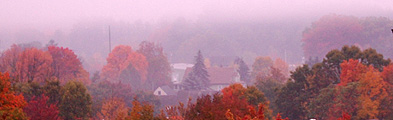
A misty, rainy fall morning and I open with a quote from one of the oldest books on tea, the Ch’a-Ching (The Classic of Tea) by Lu Yu

“There are a thousand different appearances of tea leaves. Some have creases like the leathern boot of a Tartar horseman, curl like the dewlap of a mighty bullock, unfold like the mist rising out a ravine, gleam like a lake touched by a zephyr, and be wet and soft like fine earth newly swept by rain.”

yunnanraregradedryleaf.jpgyunnanraregradeliquor.jpgyunnanraregradewetleaf.jpg

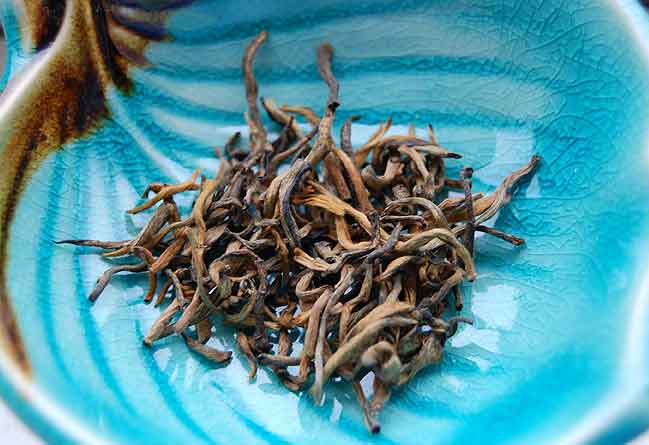
This morning I am sipping a China black tea called Yunnan Rare Grade. As I talked about in my post on Pu-ehr teas, the tea plants in Yunnan province are actually trees with a bigger, broader leaf. This tea has a lot of golden tips as you can see in the dry leaf photo. Some of the leaf is starting to uncurl when wet but most are still curled up from the rolling process.

A dark, sweet aroma wafts from my cup. I take a sip and my mouth is filled with a spicy earthiness, reminding me of the rich smell of a newly fallen leaf. The Chinese call this a red tea and you can see why. If you enjoy red wine, dark chocolate or even a thick, dark beer, you will like the taste of a Yunnan black tea.

Go Sox!