Saturday Morning Tea

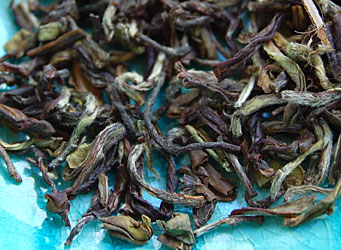
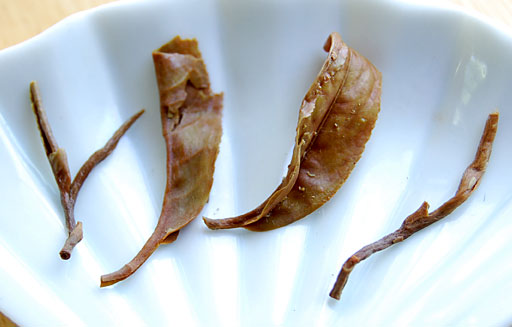
The white blanket sky gives me the feeling of being enclosed in a light tent as it gently illuminates our back deck and garden, bringing the gorgeous color of this morning’s tea leaf into sharp saturation. I’m sipping an African black tea from the Malaika estate in Kenya. The word Malaika means “angel”.

The leaf is dark with a minimum of tip and an aroma of sweet chocolate drifted up when I first opened the pouch. The steeped liquor is a deep reddish brown after 5 minutes in boiling water. The taste is hearty and slightly astringent with a hint of malt and a sweet lingering finish.

Tea has been grown in Kenya for about 100 years with a surge in the last 10-15 years that has brought it to be one of the world’s largest tea producers. You can read more about it here.

Yesterday my company closed for its annual shutdown so I am on vacation for the next 9 days. My parents have invited me down to the Jersey shore again where they have rented a condo right on the beach. Lovely! So, tomorrow morning I head out for the 5 hour trip down to the Shore. As I don’t have a laptop computer, I won’t have any computer access while I’m down there for the week. As I’m on a computer all day at my job, it will be a blessed break away from the electronic world. I’ll return next Saturday afternoon so my morning tea will be postponed until the following day, Sunday July 8th. I’m bringing my camera with me so I’ll have lots of pictures to share of my adventure when I return home.

I hope everyone has a safe and happy holiday week!
Saturday Morning Tea

Thunderstorms moved through our area last night and swept everything clean and fresh. It is a perfect day to be outside so I will bring my beadwork, my books and my drawing pad out to the back deck and enjoy some much needed Being time.

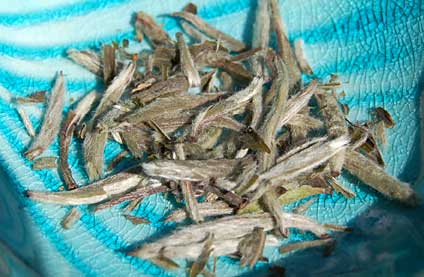
This morning’s tea is a Chinese white tea called Fuding Silver Needles. The name Fuding is for the coastal city on the East Sea in China. As you can see in the photo above, the name fits the tea perfectly. Grown in Fujian province, this tea is described as representing a cultural art form where each leaf is hand processed and carefully rolled so as to keep it intact.

Because the leaf is so big, I used 6 heaping teaspoons in my 12 ounce glass teapot and steeped for 3 minutes in 180 degree F water. The liquor is very pale with a hint of green and a sweet aroma. The taste is smooth and quite sweet with delicate toasty herbaceous notes. The subtlety of flavor is best enjoyed when you rid yourself of all distractions and immerse yourself in the moment. A good meditation tea.

“Attention is selectivity applied to perception. It is an inward decision, usually made unconsciously, about what is worth perceiving and what isn’t. Attention both finds meaning and creates meaning. When we adopt the principle of “separate the subtle from the gross”, we are deciding on purpose where we want our attention to go, temporarily withholding it from what is obvious and bestowing it instead on what is inconspicuous and elusive.” -On Becoming an Alchemist by Catherine MacCoun

Saturday Morning Tea

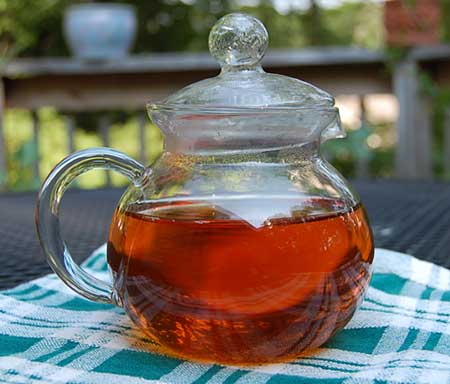
I just love my little glass teapot.

This morning dawned clear and bright so I ventured out onto our backyard deck with my teapot and my camera. The light is fabulous out there before the sun rises over the trees and the deck becomes bathed in full sun.

My teapot holds a China black tea called Bohea Classic. You can see why Chinese black teas are also called red teas. The liquor is a gorgeous warm reddish brown.

The name Bohea, pronounced bu-i or boo-hee, comes from the name of the hills in Fujian province in China where this tea originated and is grown. I have read that Bohea black tea was created because the Chinese needed a way to preserve the green leaf on its voyage from Canton to London. Thus, they oxidized and dried the leaf more than they had been doing and Bohea black tea was born. It is listed in newspapers and shipping records of the American colonies from the 1700s. You can read more about that here. It was also part of the shipment tossed into Boston Harbor during the famous Boston Tea Party. So, this tea has quite the history.

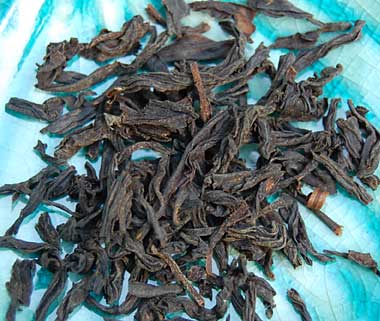
The leaf is very dark and even colored and has a faint smoky aroma. The liquor has an earthy fragrance and silky smooth full mouth feel with smoky nuances. This would be a good tea for the addition of milk and sweetener as it is very rich and strong. I steeped the leaves for 4 minutes in boiling water but you could steep them longer. I have never experienced a China black tea turning bitter from oversteeping. Another bonus if you don’t use a timer and get lost in a project while you’re making tea!

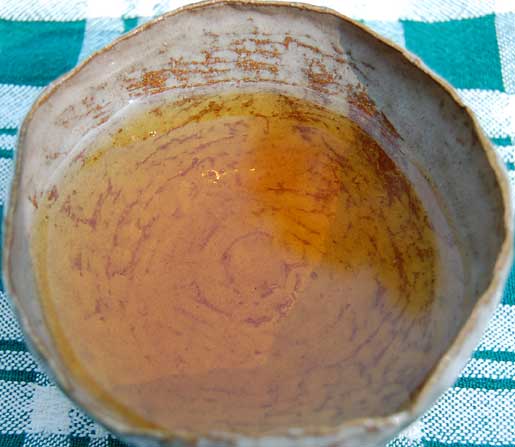
The color of the liquor matches the clay in my tea bowl. Time to go sit on the deck and enjoy another cup…

A good neighbor, even in this,

Is fatal sometimes, cuts your morning up

To mince-meat of the very smallest talk,

Then helps to sugar her Bohea at night

With your reputation.

-Elizabeth Barrett Browning

“Aurora Leigh”, Book 4

Saturday Morning Tea

This has been a weird week full of stress at work. Have you ever had one of those weeks where it seems like the universe is pointing you in a brand new direction but it is happening with more of a wack over the head than a gentle nudge? So, this morning it is time to slow way down, sip some gentle light tea and contemplate the week. My choice for a gentle tea is a very unique green from Korea called Jung Jak, meaning “medium sparrow tongue” for the shape of the leaf. This is the first time I’ve ever tried tea from Korea and it is a delightful experience. The leaves were plucked from young spring buds in April and processed entirely by hand.

Like the Arya White Pearl from last week, the leaf is exquisite with full leaf sets. This tea is so light that the aroma is a whisper and the taste is very delicate and subtle. The liquor is smooth and buttery as it brushes against my tongue with light vegetal notes. I steeped the leaves at 160 degrees F for 3 minutes.

One of the high notes of the week was when a colleague/friend at work gave me this sweet little glass teapot complete with glass infuser. It is perfect for full leafed teas like this one. Thanks Rebecca!

With temps soaring into the 90s this weekend, I am headed out to the backyard deck to sit in the sun and journal about the week.

Saturday Morning Tea

After a night of pouring rain, the clouds have cleared away and the world outside is freshly washed with sunshine. As I was taking the photos of my tea this morning, I was amazed to see how the beautiful color variations of the dry leaf are very reminiscent of the beadwork I’m doing on my March journal page. I’m creating a twisting tree trunk in browns, silvers and greens and will post a photo very soon of my progress.

So, on this dazzling Saturday morning, I’m sipping a cup of Sikkim black tea from the Temi estate. The Indian state of Sikkim is located slightly north of the Darjeeling district. Since its location and climate is very similar to Darjeeling, teas produced in this district taste very much like a Darjeeling tea but I find that they are softer without that characteristic astringent “bite” that a Darjeeling can have.

The steeped leaf reveals some whole intact leaf along with tightly curled new growth, the whitish tips of the plant. The abundance of white tips lend a gorgeous silvery cast to the dry leaf. The liquor is a medium amber color with a whisper of a floral aroma. The taste is fruity and floral all at once with a silky softness. Darjeelings are considered the “champagne of teas” and there is no doubt to their unique status in the world of tea. Every Spring I look forward to the arrival of the first flushes with great anticipation. That being said, I think that this first flush Sikkim is a wonderful choice, exhibiting the same aromatic nuances as many first flush Darjeelings I’ve tried in this range.

I am enjoying my tea with a piece of Zwieback toast. This toast is well known as a teething biscuit for babies and this is how I discovered it when my children were young. After sharing it with 3 babies, I’ve developed a taste for it’s crunchy texture and lemon-y cinnamon flavor myself. It’s a great snack to have with tea because the flavor is very mild and the texture clears your palate for the next cup of tea.