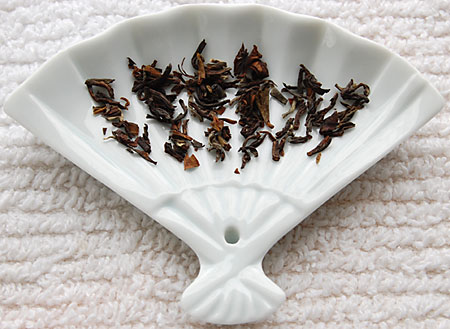
My morning tea tastes especially delicious and warming today after Dave and I just shoveled 10 inches of snow out of our driveway. The snow started mid-afternoon yesterday and continued on through the dark winter night. Businesses and schools shut down early so everyone could get home safely before the storm’s arrival.
I am sipping and savoring a second flush Darjeeling from the Namring estate. The Darjeeling district is located in the Himalayan foothills of northeastern India.
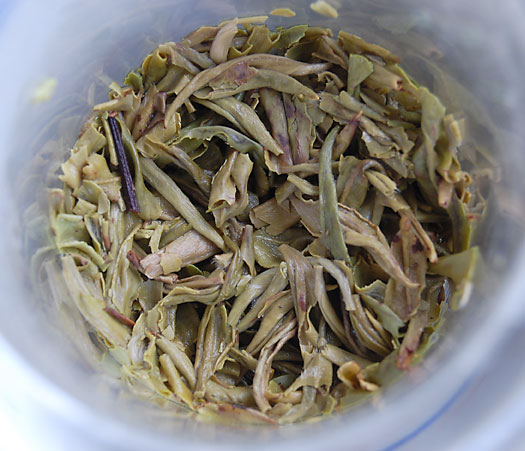
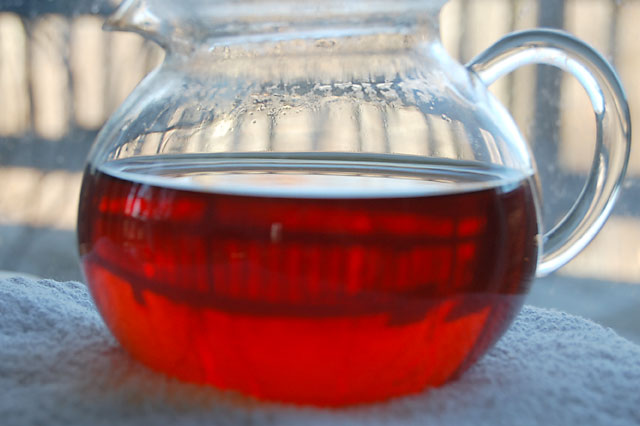
 I steeped the dark leaf for 3 minutes in 212 degree F (boiling) water, resulting in a glowing amber liquid. The thing that I like best about Darjeelings from the Namring estate is that they always have that classic, rich Darjeeling aroma and flavor. Sometimes I am in the mood for an astringent tea that echos in my mouth for awhile after I’ve taken my first sip. This is perfect, with nutty almond, fruity richness. Second flush Darjeelings are harvested in the summertime and are usually fuller with the more mature taste of the summer leaf, as opposed to first flushes, harvested in the springtime.
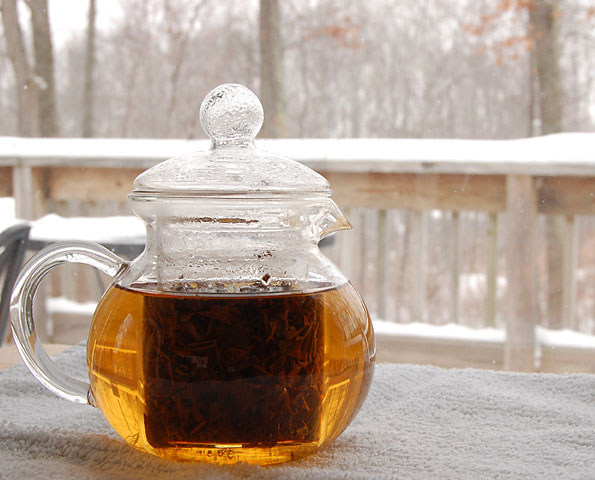
It’s hard to imagine the lush greenery that graced our backyard deck a short 2-3 months ago. It is now a white drifting world.
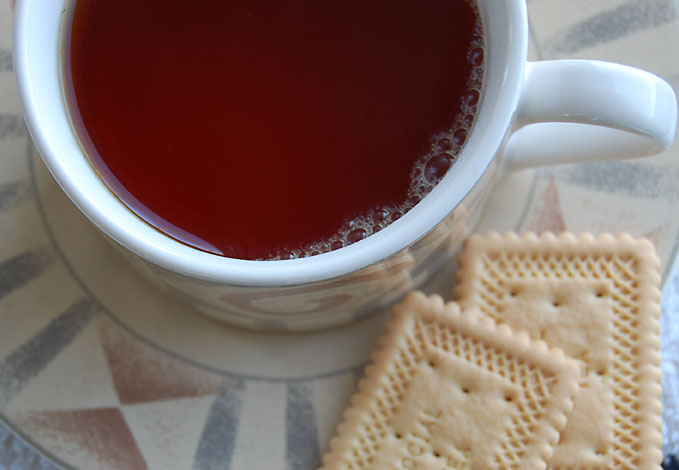
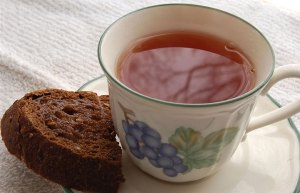 As I was pouring my cup of tea, Dave offered me a piece of pumpernickel toast. It went perfectly with the rich flavor of this tea. The bare tree branches of our backyard trees look like they’d like to warm themselves in my steaming cup. This is the time of year when I never feel quite warm enough. My favorite spot is next to the fireplace with my hands perpetually wrapped around a hot mug and a good book opened in my lap.
You can never get a cup of tea large enough
or a book long enough to suit me.
~C.S. Lewis


 The tea is silky smooth without a trace of astringency. The taste is full and somewhat malty, reminiscent of a very smooth Assam tea. Notes of nutmeg and cinnamon are present with a whisper of mint in the finish. Mmmmm, I am enjoying this unique tea very much!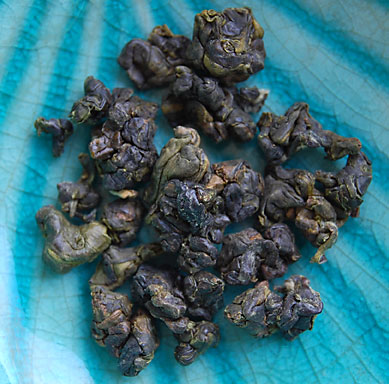

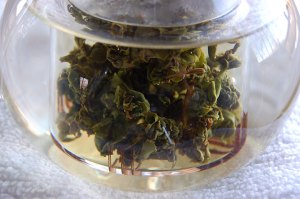
 Milky Oolong has such a unique taste that many stories have evolved to explain its unusual flavor. My favorite story is that the tea’s flavor came about as the result of a sudden shift in temperature during harvest that is an extremely rare occurrence. The first time this shift occurred was centuries ago when the moon fell in love with a comet passing through the night sky. The comet, passed by, burned out and vanished. The moon, in her great sorrow, caused a great wind to blow through the hills and valleys bringing about a quick drop in temperature. The next morning, local tea pluckers went out to collect their fresh leaves. To their surprise, when the tea was processed it had developed an amazing milky character, which was attributed to the motherly character of the old moon. I love that story and it reminds me of what we’ve been experiencing here recently with the change in the weather.
 The aroma of this tea is floral with a rich hint of cream. Its flavor, also quite floral, reminds me very much of a Spring Dragon or Jade Oolong. It conjures up images of a blooming spring garden, ripe with its heady fragrance. There is also a buttery creaminess to the taste as well which gives a soft, silky feeling in my mouth.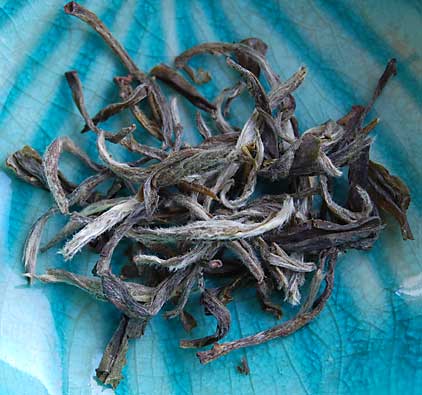




 Art and Tea