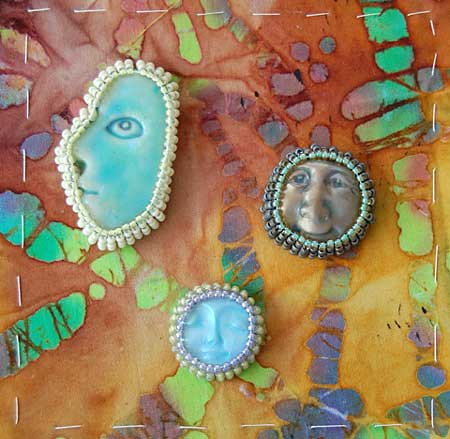
March Beaded Journal Page in progress

As I have been slowly but surely unpacking my art supplies from my move a couple of weeks ago, I found my March page neatly wrapped up in one of my moving boxes. I had gotten as far as placing the polymer clay glazed face cabochons created at my January guild meeting on the fabric and then had stopped around mid-March so I could pack everything up. I was so delighted to finally find my page and sat down almost immediately to give each face a beaded bezel. I used the “barnacle” technique as explained on page 50 in Robin Atkins wonderful new book called “Heart to Hands Bead Embroidery”.

Back in March when I was so looking forward to Spring’s arrival after a long cold winter, I found myself studying trees very closely to see any signs of Spring. In one of my meditations, an image popped into my mind of each knot in a tree having a face in it that was waking up from a long winter’s sleep. Shortly after that I was purging some old magazines and found this image.

It reminded me so much of my image of the faces in the tree. The feeling I want to convey with this piece is one of an organic awakening. Robin has another bead technique on making twisted tree trunks (page 67). I think this beading technique will be perfect for the look I want. Stay tuned for more progress!

Hello Spring

Spring is blooming in the garden of my new home.  This witch hazel tree is full of these flopsy strands. Traditionally, the extract of its bark and leaves are used medicinally.

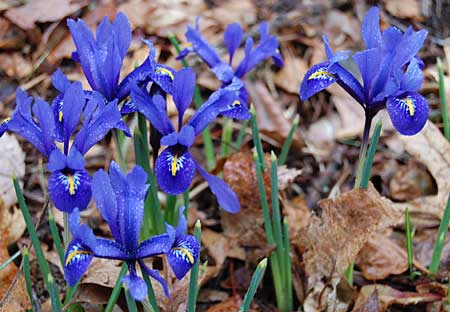
These rock iris are brilliant against the drab colors of the leaf mulch. I love their yellow tongues sticking out. It’s like they’re blowing a raspberry at the departing winter or even at us for believing that they’d never return.

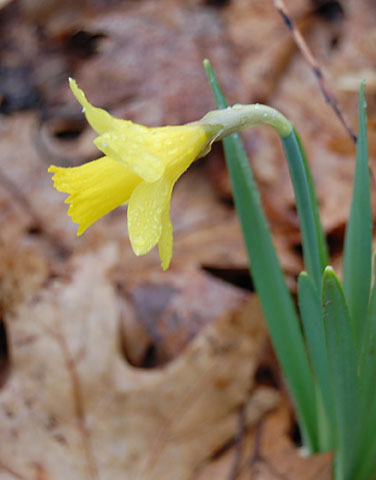
The lone daffodil. With all of the buds around, it will soon have company.

Here comes the hyacinth. I am looking forward to their sweet fragrance.

Welcome back, plant beings!

My Freeform Beaded Amulet Bag

freeformseaamuletbaghang.jpg

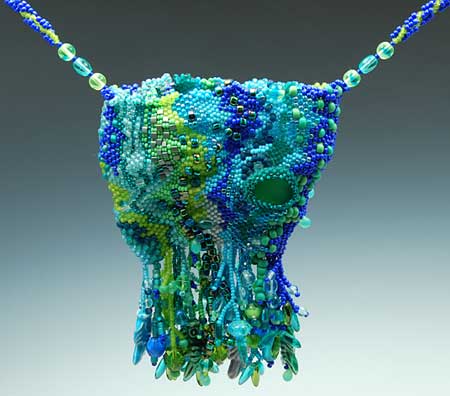
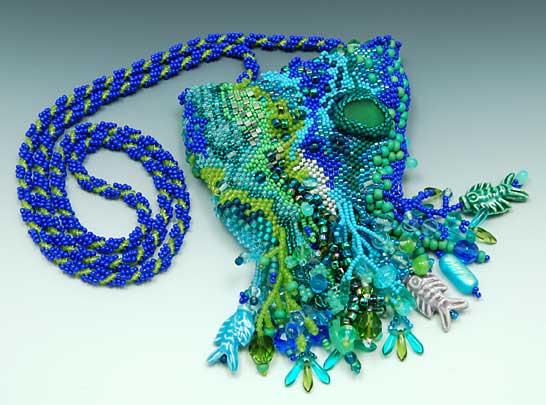
A few weeks ago, I wrote about a freeform peyote bracelet I created and referenced an amulet bag I had created years ago that inspired the bracelet. Here is the amulet bag. I did some experimenting with hanging the bag within my light tent. My kit came with some hanging clips so I hung the bag from the clips so I could take a photo with the fringe hanging naturally and freely. The sea glass I encased on the front of the bag was found on a beachcombing expedition when I visited Maui a couple of years ago. I added that on after the bag was finished. The ceramic fish and seahorse beads were purchased during a trip to Nantucket.

freeformseaamuletbaglay.jpg

The strap is done in a spiral stitch. It took many hours to finish the bag over the course of 4 years, working on and off during a challenging time in my life. So, the freeform peyote technique and its meditative qualities will always represent healing to me. Maybe that is why I’m drawn to it so much.

Saturday Morning Tea

marchsnow.jpg

The first month of spring has entered on a wintry note as we are experiencing a blast of snow here in New England. This morning I am sipping a cup of Darjeeling black tea from the Arya estate called Arya Ruby.

aryarubydryleaf.jpg

Located in the lower range of the Himalayan mountains in northeast India, the Darjeeling district is home to many tea estates or “gardens” and is famous for the beautiful tea it produces. Called the “champagne of tea”, Darjeeling tea is prized for its delicate aroma and “muscatel” flavor notes. The Calcutta Tea Association defines the “muscatel” flavor as being “reminiscent of vineyards”, meaning a flavor like grapes and wine.

aryarubywetleaf.jpgaryarubywetleaf2.jpg

I was in awe as I gently smoothed the large, intact leaves out on my dish. I have read that this tea is produced from superior clonal bushes, meaning that they start a new tea plant from the cuttings of tea bushes that have produced remarkable teas. I believe that most of the tea bushes grown in Darjeeling originated from China bushes, called China “jat”.

aryarubyliquor.jpg

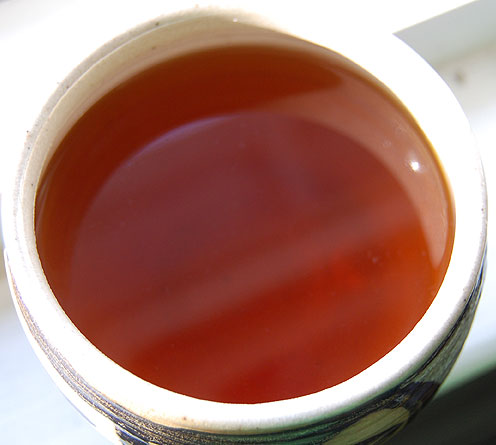
The aroma of the dry leaf is very nutty. Since the leaf is so big, I used 2 teaspoons per cup (6 oz.) and steeped for 3 minutes in boiling water. The flavor is very characteristic Darjeeling with the fruit, muscat flavor note. I just finished my first cup so it’s time to go make another cup. It’s still snowing…

marchsnow2.jpg

Saturday Morning Tea

mistintrees.jpg

After the heavy rains of yesterday, today dawned clear and bright through high wispy clouds. The sunshine is illuminating a delicate mist that has settled in the hollows and a myriad of rainbowed water droplets clinging to the branches and power lines.

xiangluokeemundryleaf.jpg

As I sit at my window, I am sipping a cup of China Keemun tea called Xiang Luo. From Anhui province where the most prized Keemuns are produced, it is a treat to the senses from its toasty aroma to its rich honeyed amber color and buttery smooth liquor.

xiangluokeemunwetleaf.jpgxiangluokeemunliquor.jpg

Keemun tea is named after a county, Qimen, in Anhui province. There are several stories about its origins but the most common is one of a governmental official in the late 1800s who learned black tea production in Fujian province and then decided to return to his native county, Qimen, to produce black tea there. He met with success and his new black tea was imported to England where it was enjoyed as a breakfast tea.

The words I would use to describe Keemun tea are rich, wine, smoke and chocolate. While it is nowhere near as smoky as a Lapsang Souchong, there are hints in its flavor that might appeal to Lapsang lovers. Keemun may be enjoyed plain but it is certainly strong enough for milk or cream when the long, wiry leaves are steeped for 5+ minutes.

What are your experiences with Keemun tea?