Saturday Morning Tea

I just love my little glass teapot.

This morning dawned clear and bright so I ventured out onto our backyard deck with my teapot and my camera. The light is fabulous out there before the sun rises over the trees and the deck becomes bathed in full sun.

My teapot holds a China black tea called Bohea Classic. You can see why Chinese black teas are also called red teas. The liquor is a gorgeous warm reddish brown.
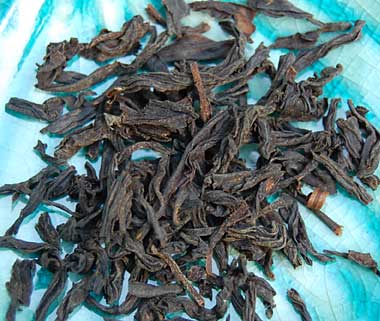
The name Bohea, pronounced bu-i or boo-hee, comes from the name of the hills in Fujian province in China where this tea originated and is grown. I have read that Bohea black tea was created because the Chinese needed a way to preserve the green leaf on its voyage from Canton to London. Thus, they oxidized and dried the leaf more than they had been doing and Bohea black tea was born. It is listed in newspapers and shipping records of the American colonies from the 1700s. You can read more about that here. It was also part of the shipment tossed into Boston Harbor during the famous Boston Tea Party. So, this tea has quite the history.

The leaf is very dark and even colored and has a faint smoky aroma. The liquor has an earthy fragrance and silky smooth full mouth feel with smoky nuances. This would be a good tea for the addition of milk and sweetener as it is very rich and strong. I steeped the leaves for 4 minutes in boiling water but you could steep them longer. I have never experienced a China black tea turning bitter from oversteeping. Another bonus if you don’t use a timer and get lost in a project while you’re making tea!
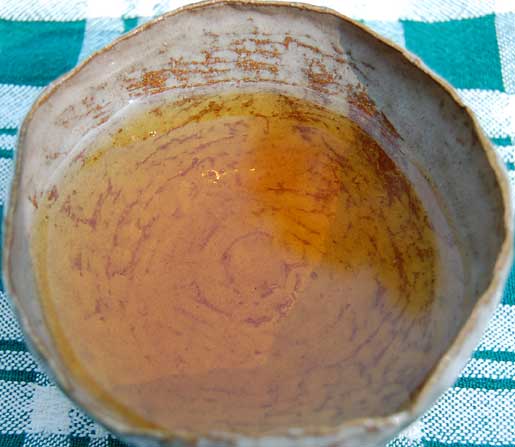
The color of the liquor matches the clay in my tea bowl. Time to go sit on the deck and enjoy another cup…

A good neighbor, even in this,

Is fatal sometimes, cuts your morning up

To mince-meat of the very smallest talk,

Then helps to sugar her Bohea at night

With your reputation.

-Elizabeth Barrett Browning

“Aurora Leigh”, Book 4

Saturday Morning Tea

I think I mentioned this before but one of the experiences I love the most about springtime besides all of the colorful blooms, is the arrival of the first flush Darjeelings. This morning I am sipping a cup of Arya estate Aroma Darjeeling. The Arya tea garden is located in the Darjeeling district in northeast India. I wrote a little about its history in a former post. To me, its name even conjures up images of a fairytale kingdom high in the misty mountains.

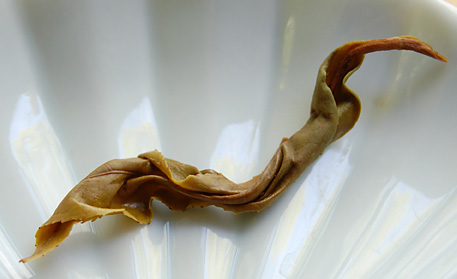
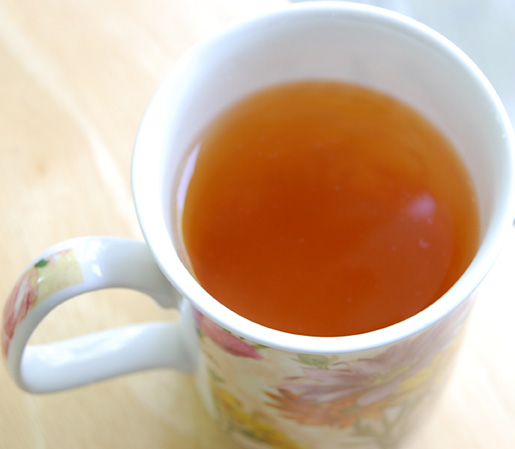
I was so excited to find this intact large leaf in my cup. The color and quality of the leaf is outstanding. The amber colored liquor smells like delicate fruit and flowers and its taste fills my mouth with a slight hint of sweet bananas and other tropical fruits. A heavenly treat to start out the long holiday weekend.

Today I am attending my polymer clay guild meeting where I will try and get some work done on my March journal page. “Try” is the key word here as I will probably be visiting and sharing with my fellow guild members for the first few hours! A veritable gab fest, if you know what I mean. I’ll post a photo soon of the progress I make today on my page.

Saturday Morning Tea

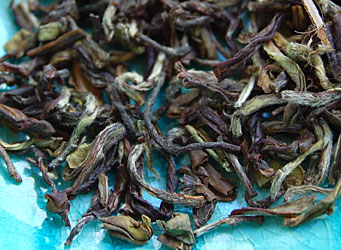
After a night of pouring rain, the clouds have cleared away and the world outside is freshly washed with sunshine. As I was taking the photos of my tea this morning, I was amazed to see how the beautiful color variations of the dry leaf are very reminiscent of the beadwork I’m doing on my March journal page. I’m creating a twisting tree trunk in browns, silvers and greens and will post a photo very soon of my progress.

So, on this dazzling Saturday morning, I’m sipping a cup of Sikkim black tea from the Temi estate. The Indian state of Sikkim is located slightly north of the Darjeeling district. Since its location and climate is very similar to Darjeeling, teas produced in this district taste very much like a Darjeeling tea but I find that they are softer without that characteristic astringent “bite” that a Darjeeling can have.

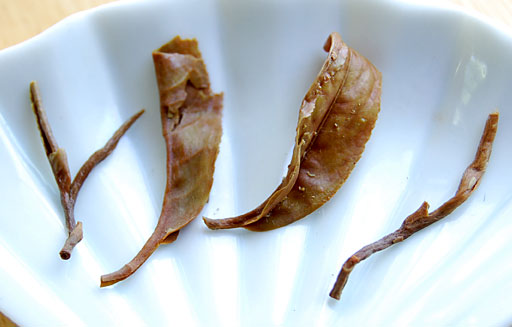
The steeped leaf reveals some whole intact leaf along with tightly curled new growth, the whitish tips of the plant. The abundance of white tips lend a gorgeous silvery cast to the dry leaf. The liquor is a medium amber color with a whisper of a floral aroma. The taste is fruity and floral all at once with a silky softness. Darjeelings are considered the “champagne of teas” and there is no doubt to their unique status in the world of tea. Every Spring I look forward to the arrival of the first flushes with great anticipation. That being said, I think that this first flush Sikkim is a wonderful choice, exhibiting the same aromatic nuances as many first flush Darjeelings I’ve tried in this range.

I am enjoying my tea with a piece of Zwieback toast. This toast is well known as a teething biscuit for babies and this is how I discovered it when my children were young. After sharing it with 3 babies, I’ve developed a taste for it’s crunchy texture and lemon-y cinnamon flavor myself. It’s a great snack to have with tea because the flavor is very mild and the texture clears your palate for the next cup of tea.

Saturday Morning Tea

teabankceylondryleaf.jpg

On this cool, rainy almost Spring morning, I am sipping a Ceylon (Sri Lanka) black tea from the Tea Bank estate. The tightly twisted leaves in the “spider leg” style are not characteristic Ceylon nor is the flavor. It reminds me more of a China black tea.

Tea growing in Sri Lanka was started in the late 1800s by a Scottish gentleman by the name of James Taylor. Up until that time, coffee was the number one crop until a rust fungus killed the majority of coffee plants. Starting with a basic tea cultivation knowledge learned in Northern India and 19 acres of land, he soon turned a small business into a very successful one, selling his tea for the first time at the London auction by 1873.

teabankceylonwetleaf.jpgteabankceylonliquor.jpg

Even after a full 5 minute steep in boiling water, the leaves are still tightly curled. The aroma is darkly sweet, like a winey Keemun. The liquor is very dark, almost like black coffee, with rich notes of vanilla and caramel.

This would be an excellent choice for anyone switching from coffee to tea. Time for another cup!

Saturday Morning Tea

marchsnow.jpg

The first month of spring has entered on a wintry note as we are experiencing a blast of snow here in New England. This morning I am sipping a cup of Darjeeling black tea from the Arya estate called Arya Ruby.

aryarubydryleaf.jpg

Located in the lower range of the Himalayan mountains in northeast India, the Darjeeling district is home to many tea estates or “gardens” and is famous for the beautiful tea it produces. Called the “champagne of tea”, Darjeeling tea is prized for its delicate aroma and “muscatel” flavor notes. The Calcutta Tea Association defines the “muscatel” flavor as being “reminiscent of vineyards”, meaning a flavor like grapes and wine.

aryarubywetleaf.jpgaryarubywetleaf2.jpg

I was in awe as I gently smoothed the large, intact leaves out on my dish. I have read that this tea is produced from superior clonal bushes, meaning that they start a new tea plant from the cuttings of tea bushes that have produced remarkable teas. I believe that most of the tea bushes grown in Darjeeling originated from China bushes, called China “jat”.

aryarubyliquor.jpg

The aroma of the dry leaf is very nutty. Since the leaf is so big, I used 2 teaspoons per cup (6 oz.) and steeped for 3 minutes in boiling water. The flavor is very characteristic Darjeeling with the fruit, muscat flavor note. I just finished my first cup so it’s time to go make another cup. It’s still snowing…

marchsnow2.jpg