My Favorite Herbals

I have become caffeine sensitive as I get older so around mid-afternoon I have to leave my beloved tea behind and turn to an herbal beverage to enjoy. My number one favorite, hot or iced, is South African Rooibos. A bush that is grown in the Cedarberg mountain area of South Africa, the leaves are harvested and processed much like the tea plant, camellia sinensis. Its name, rooibos, means “red bush” in Afrikaans. When the leaves are allowed to oxidize like black tea, they turn a beautiful reddish color.

Oxidation of the leaf means that the leaves are spread out and exposed to the air thus turning them darker. Green rooibos, like green tea, is not allowed to oxidize. For a more scientific explanation of the process, click here.
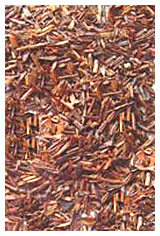
RooibosThe color of the hot tea is a dark, reddish brown and looks a lot like certain types of black tea. It has a full herbaceous body with flavor notes of spice, citrus and vanilla. It is strong enough for the addition of milk but I usually enjoy it plain. In addition to tasting really good, it is reputed to have all sorts of health benefits.

When the weather turns hot like it has here in New England the last few days, I use the cold steeping method to create iced rooibos. Simply fill a container with fresh cold spring water and then add one tablespoon of rooibos leaves for every 6 ounces of water. Steep the leaves overnight in the fridge and then strain into another container in the morning. I love to drink this full strength but others prefer to dilute this with water and ice. You can float lemon or orange slices in it to add more of a citrus flavor. Yummy and refreshing!

Another favorite is called “Sweet Coconut Thai” made by Celestial Seasonings. Amongst other spices and natural flavors, it contains rooibos! It is all natural, no sugar added and caffeine free. It tastes like Chai tea with a hint of a coconut flavor note. I love coconut so this is heaven in an herbal teacup for me. I found it in the tea section of my local grocery store and it comes in a box of 20 tea bags.

What are your favorite herbals?

Musings on a Spiral

spiral.jpg I have been thinking about spirals a lot lately. I have always been drawn to this symbol and I think it is the perfect symbol for springtime. It symbolizes rebirth and regeneration, representing the cyclical nature of life. It can also symbolize a spiritual journey to your center, a place beyond the visible world. Making art can be a spiritual journey because it takes us to our center where our deepest expressions come from. Here is one of my favorite quotes.

“The purpose of art/craft is not so much to make beautiful things as it is to become beautiful while you are making those things.”

The spiral first appeared approximately 24,000 years ago so it is one of the earliest examples of human creative expression. It is ubiquitous, appearing in the sacred art of every society in the ancient world. Its early association is with the Mother Goddess and how all life comes from her and is returned to her in a regenerating cycle. So, it has had a universal resonance within the human psyche for thousands of years.

pilochunleaves42107.jpg

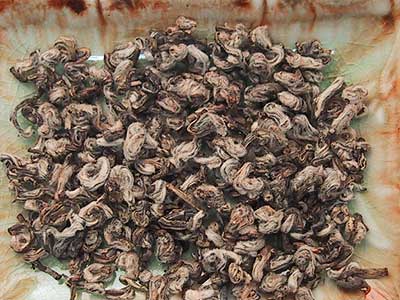
There is a particular Chinese green tea, called Pi Lo Chun, that is processed and hand rolled into a spiral shape. Its name means “green snail spring”. This derives from the time of year that it is picked (Starting at Spring Equinox, for 2 weeks) and the shape that the leaves are rolled into. During hand processing, the bud-leaf set is carefully rolled into a tight silvery-green spiral that can hold in the freshness longer. As the tea leaves steep in hot water, they unfurl to reveal the full, intact leaf that was originally picked. Much like our imagination steeps with new ideas and they eventually unfurl into a wonderful new creation.

pilochuninwater42107.jpg

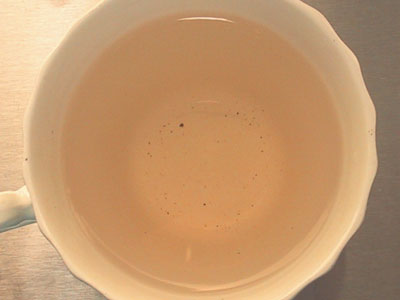
Pi Lo Chun tea tastes like a fresh spring day. It was originally called “Astounding Fragrance” for the aroma from the fresh leaves. The tea bushes are interplanted with plum, peach, and apricot trees for shade. The fruit trees are in full bloom when the tea leaves are plucked in the early spring and some of the floral aroma is absorbed by the tea. The liquor is a clear light yellow with a pale green tint and has fruity, sweet flavor notes.

pilochunliquor32107.jpg

In my contemplations and musings about the spiral shape, I have beaded a spiral curl.

beadedspiral.jpg

Inspired by a technique from “Beading with Peyote Stitch” by Jeanette Cook and Vicki Star, I wanted to bead an ancient underwater creature, spiraling up to reveal its beautiful pearl treasures. Now I have to figure out what type of necklace I’d like to create to honor this exotic sea creature. Or, shall I turn it into a pin. What do you think?

First Flush Darjeeling


tealeaf1.jpg


"Thank God for tea!  What would the world do without tea?  
How did it exist?  I am glad I was not born before tea."   
-Sydney Smith (1771-1845)
 
For an avid tea lover like myself, one of the best parts 
about springtime is the arrival of the first flush Darjeeling 
teas.  Darjeeling teas are considered "the champagne of teas" 
and are valued for their fragrant aroma and delicate taste.  
Even though there are some green and white teas produced in the 
Darjeeling district of northeastern India, the majority of teas 
produced are light-bodied black teas.  To enjoy their subtle 
flavor notes, I like to drink them without any additions like 
milk or sweetener.
 
These teas are called "first flush" because the leaves are picked 
(or "plucked") when the tea plants start to grow again in the 
spring.  The brand new growth of young shoots is called a "flush".  
So, "the first flush" indeed tastes like springtime - fresh and 
somewhat green with soft floral and fruity notes.  Some of my 
favorites even have a flavor note like bananas!  Ah, even a hint 
of the summer yet to come.
 
After a long New England winter, I enjoy this "springtime in a 
teacup"!  It revives and refreshes and inspires me to start new 
projects.  
Do you like tea?  What kinds?